Formula 1 expands sprint schedule to ten races for 2027 season
The governing body confirms the 2027 Formula 1 calendar will feature ten sprint events, up from six, signalling a decisive shift toward more weekend action.
By Graham Pettifer · 16 Sept 2026 · 3 min read · United Kingdom edition
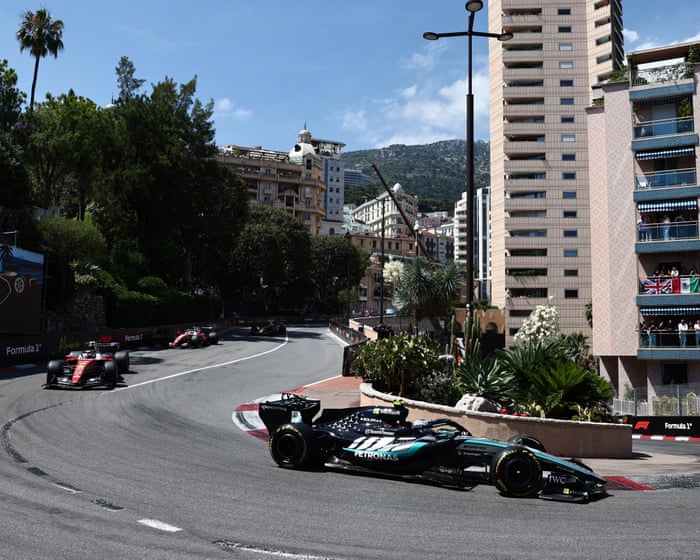 Photograph: Jakub Porzycki/Reuters
Formula 1 announced today that its 2027 season will feature ten sprint races, an increase from the current six. The decision, made by the sport’s governing authority, adds a notable new dimension to the weekend programme for teams, drivers and fans alike. By naming the championship and the exact change, the announcement sets the tone for a year that promises a more compressed, high‑octane rhythm across the global circuit.
The sprint format, introduced only a few years ago, was intended as a laboratory for testing how shorter, more intense sessions could coexist with the traditional Grand Prix structure. Its evolution has been marked by a cautious rollout, allowing teams to gauge the strategic nuances while preserving the core identity of a full‑distance race. Expanding the number of sprints reflects a broader pattern within the sport: an appetite for experimentation that seeks to modernise the spectacle without abandoning the heritage that defines Formula 1.
From a competitive standpoint, the additional sprints will reshape the strategic calculus for every outfit on the grid. Teams will need to balance the pursuit of sprint points with the preservation of machinery for the main race, a tension that has already begun to surface in the current era. This shift could amplify the importance of flexibility in car set‑up, as engineers aim to extract performance over both a short dash and the marathon distance. In turn, the championship narrative may become more fluid, with early‑season sprints influencing the momentum that carries into the later stages of the year.
Fans have expressed a clear enthusiasm for more weekend action, viewing sprints as an opportunity to experience racing thrills on days that previously offered only practice and qualifying. The move aligns with a wider trend in motorsport toward delivering continuous content, catering to an audience that increasingly consumes sport in bite‑sized, frequent installments. While some purists worry about diluting the grandeur of the main race, the prevailing sentiment suggests that the sport’s growth hinges on delivering compelling moments throughout the entire event schedule.
Commercial considerations are also at play. More sprint races translate into additional broadcast slots, heightened sponsor exposure, and a richer tapestry of storylines for media partners. The sport’s commercial partners have long advocated for formats that sustain viewer engagement across the weekend, and the ten‑race sprint slate provides a practical avenue to meet those expectations. This alignment of sporting and commercial interests underscores how Formula 1 continues to navigate the delicate balance between sporting integrity and financial viability.
For drivers, the increased sprint load raises questions about workload management and the development of racecraft under varied conditions. The condensed nature of sprints tests reflexes and decision‑making in a high‑pressure environment, potentially accelerating the learning curve for emerging talent. Conversely, the added intensity could strain seasoned competitors, prompting teams to prioritize fitness and mental resilience as integral components of their preparation.
Ultimately, the decision to expand the sprint programme signals a decisive step in Formula 1’s ongoing journey to blend tradition with innovation. By embracing a format that offers more immediate excitement while preserving the essence of the Grand Prix, the sport positions itself to remain relevant in a rapidly evolving entertainment landscape. The 2027 season, with its ten sprint events, will serve as a barometer for how far this hybrid model can be stretched before the core identity of Formula 1 is reshaped, a question that will unfold lap by lap across the world’s most iconic circuits.