Chelsea's Cole Palmer ruled out of England squad as injury sidelines talisman
Cole Palmer missed the England call‑up due to a groin injury, while Chelsea manager Xabi Alonso says he remains eager to represent his country and is set to return for the team's upcoming match.
By Graham Pettifer · 10 Oct 2026 · 2 min read · United Kingdom edition
 Getty
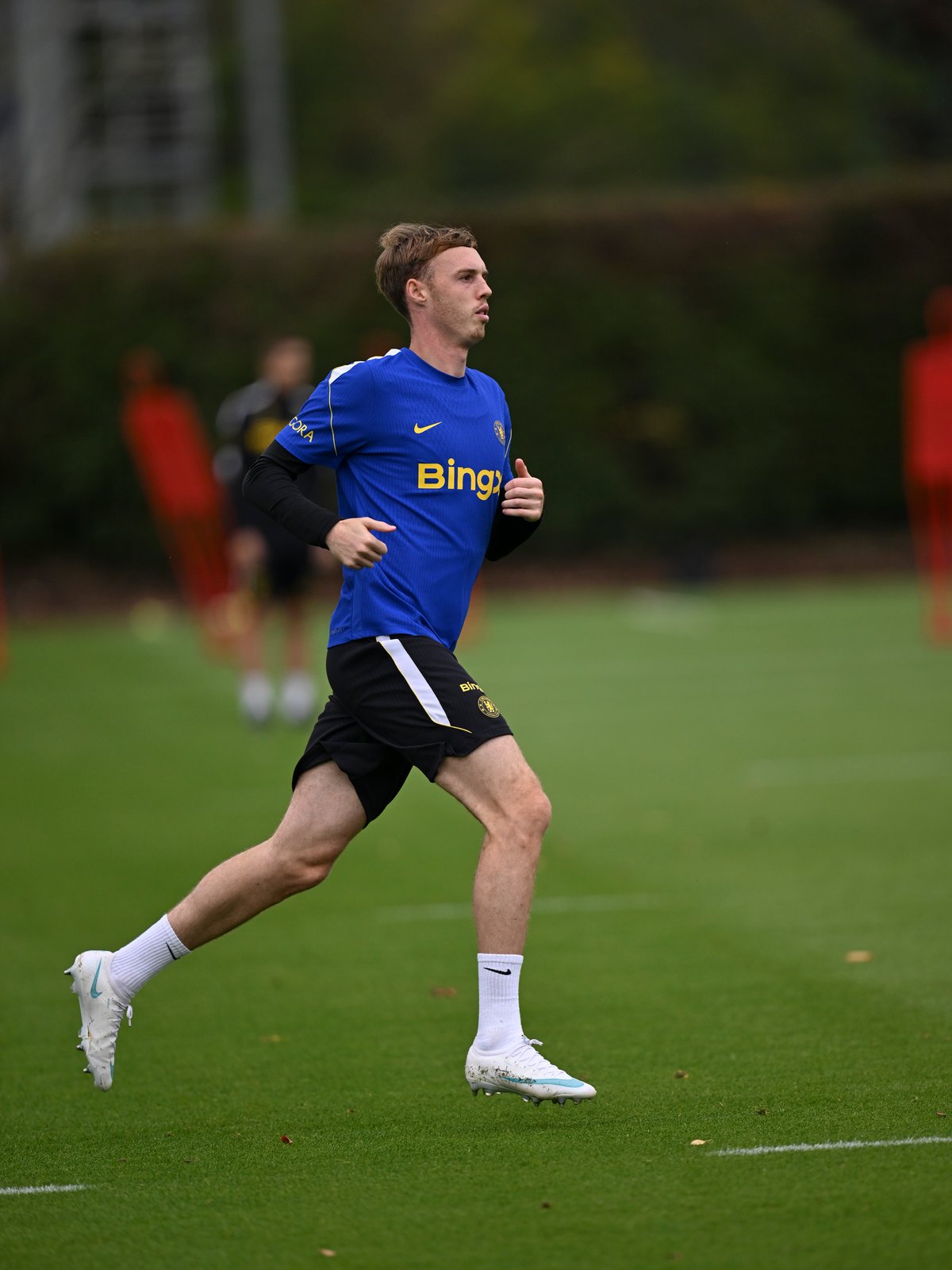
GettyCole Palmer's omission from the England squad this week has added a fresh twist to the ongoing conversation about player fitness and international duty. The Chelsea forward was forced to stay away after a groin-related problem surfaced, preventing him from joining the national team for the recent break. His club boss, Xabi Alonso, has stressed that the injury does not reflect a lack of desire to wear the Three Lions, and that the player remains fully committed to the national cause. The situation leaves England's coaching staff to re‑evaluate their options for the next set of fixtures.
The loss of a creative outlet such as Palmer inevitably narrows the pool of attacking alternatives available to England. While the squad possesses depth across the front line, his particular blend of pace and technical ability has often been cited as a differentiator in high‑pressure encounters. Alonso's reassurance, however, suggests that the forward's rehabilitation is proceeding on schedule, meaning that the national side may still have the benefit of his services later in the campaign, provided he stays fit.
From a club perspective, Palmer's recovery aligns with Chelsea's immediate priorities as they approach a forthcoming league fixture against Bournemouth. The manager has indicated that the player should be ready to contribute, which could be significant given the team's need for a reliable goal‑scoring option. The timing of his return also offers a glimpse into how the squad might adapt tactically, with the potential to re‑integrate a player who has been described as a talisman for the Blues.
The episode highlights a recurring theme in modern football: the delicate balance between club commitments and international aspirations, especially when injury intervenes. Managers frequently find themselves navigating the fine line between protecting a player's long‑term health and meeting the short‑term demands of both competitions. In Palmer's case, the public reassurance from the Chelsea bench underscores a broader trend of clubs communicating transparently about player status, aiming to manage expectations on both sides of the divide.
Uncertainty remains, chiefly regarding how long it will take for Palmer to regain full match sharpness after his three‑week rehabilitation period. England's staff will have to decide whether to keep him in the extended squad or look elsewhere for that creative spark. Likewise, Chelsea will monitor his minutes closely as they test his fitness against Bournemouth's defence. The coming weeks will reveal whether the forward can translate his recovery into consistent performances, a question that will occupy both club and country observers alike.