Chelsea Women Held Lyon to a 0‑0 Draw After VAR Cancels Penalty in Champions League
Chelsea women were denied a penalty by VAR and settled for a goalless stalemate with Lyon in the Champions League, leaving fans grappling with mixed emotions and a point that keeps their European hopes alive.
By Bethan Vaughan · 1 Oct 2026 · 3 min read · United Kingdom edition
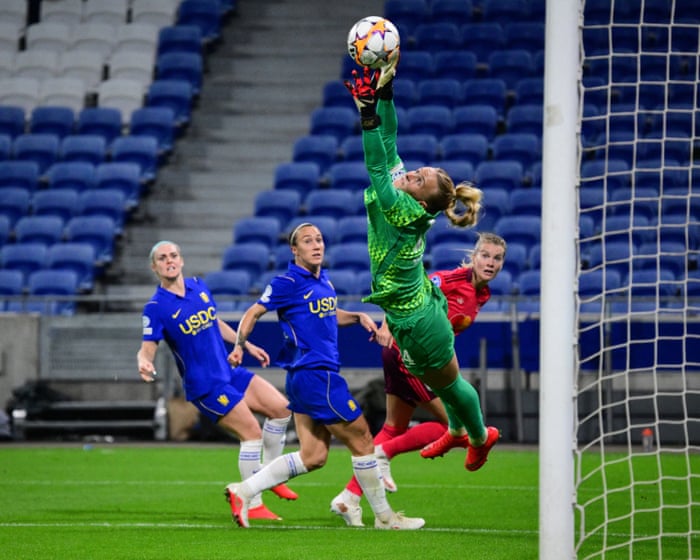 Photograph: Olivier Chassignole/AFP/Getty Images
Chelsea women travelled to face Lyon in a Champions League encounter that ended 0‑0 after a late penalty appeal was overturned by VAR. From the first whistle, the atmosphere on the terrace was one of cautious optimism – a chance to prove that the English side could match the French giants on the continent. When the ball was finally rolled back for a spot‑kick, the crowd collectively held its breath, only to see the decision reversed, leaving a palpable sigh across the stands. The overturned penalty sparked an immediate wave of frustration among supporters. Many felt the decision robbed the team of a clear opportunity to take the lead, while others tried to temper their disappointment by reminding themselves that modern football is a game of fine margins. The sight of the referee pointing to the spot, followed by the VAR screen flashing, was a reminder that the drama now extends beyond the pitch, and fans are forced to grapple with technology as much as with the play itself. In terms of the competition, that single point means the campaign is still very much alive. A goalless draw keeps Chelsea in contention, preserving the belief that progression is still within reach. For the fans, the result is a double‑edged sword: it offers relief that elimination is not yet certain, but also underscores the thin line between a comfortable advance and a sudden exit, especially when a goal could have changed the complexion of the tie. Supporters are already turning that nervous energy into a rallying cry. The resilience they have shown throughout the season – through early‑round wins and domestic battles – is being tested once more. Many are already looking ahead, picturing a scenario where the team capitalises on the experience gained from this match, tightens up defensively, and perhaps finds a way to break the deadlock in the next leg. The VAR controversy itself is likely to fuel ongoing debates among the fanbase about the role of video assistance in women's football. While some argue that the technology brings fairness and reduces blatant errors, others feel it interrupts the flow and can feel punitive when decisions are overturned at crucial moments. The conversation is shifting from pure football talk to a broader dialogue about how the sport evolves and how supporters adapt to these changes. Beyond the immediate result, the match highlights the growing appetite for high‑stakes European fixtures in the women’s game. Fans are turning up in larger numbers, and the intensity of their reaction to a single decision shows just how invested they are. This heightened engagement is a sign that the sport is moving beyond niche status and that every moment – even a missed penalty – is being lived with the same passion as any other major football event. Looking forward, the mood in the stands will be a mixture of cautious optimism and determination. The point earned is a small gift, but it also serves as a reminder that the road ahead remains steep. Supporters will be hoping for a more decisive performance next time, perhaps a goal that finally settles the question of who belongs at the top of European women's football. For now, they’ll take solace in the fact that the fight continues, and that their team still has a chance to write a memorable chapter in the competition.