Celtic vs Rangers Derby Set to Go Fan‑Free on the Road This Season
Away supporters have been barred from attending Celtic vs Rangers derby matches for the rest of the season, a decision that will reshape the atmosphere and logistics for both clubs' fanbases.
By Bethan Vaughan · 4 Sept 2026 · 3 min read · United Kingdom edition
 PA
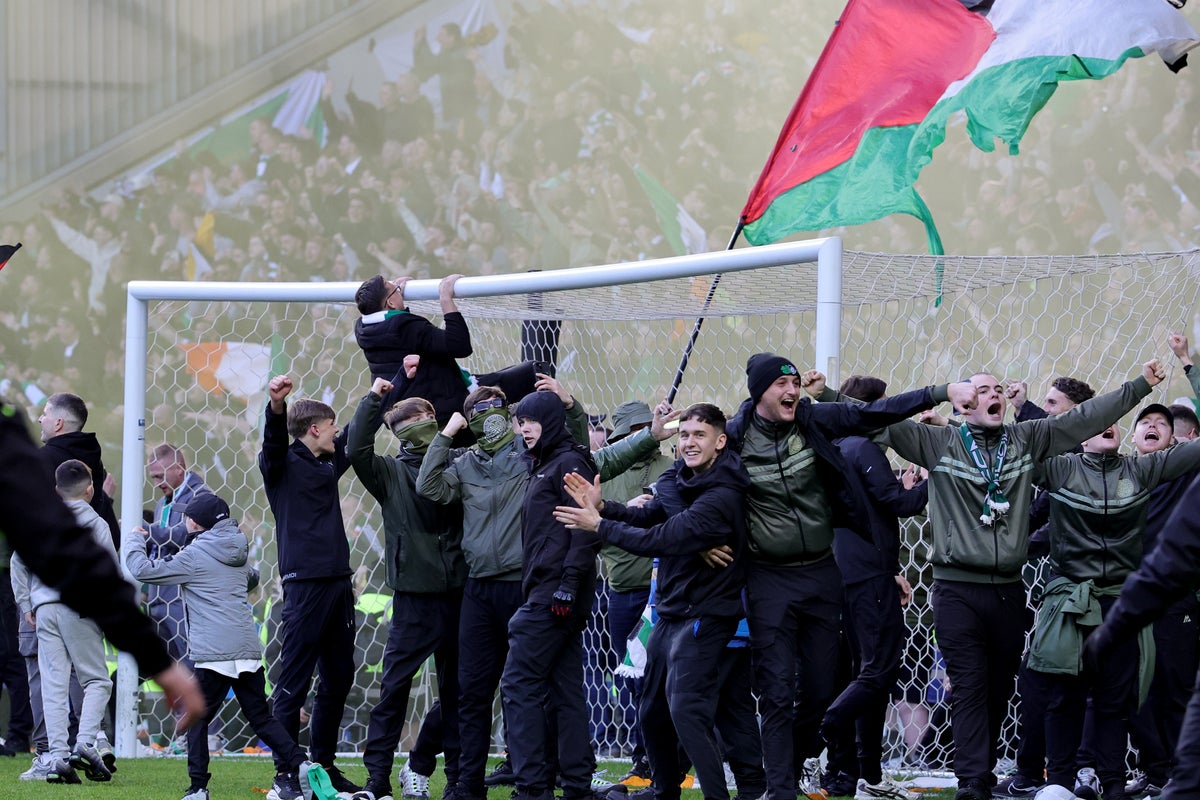
PAThe announcement that away supporters will not be permitted to travel to Celtic vs Rangers derby fixtures this season has sent ripples through the supporter community on both sides of the divide. For a rivalry that traditionally draws throngs of fans from opposite towns, the new restriction means the iconic clash will now be experienced largely behind a single set of seats, fundamentally altering the vibe that has defined these encounters for decades.
For many supporters, the journey to an away derby is more than a simple trip – it is a pilgrimage that blends camaraderie, rivalry and a shared sense of identity. The ritual of boarding a train or bus, singing on the way, and then converging in the opposing city has long been a cornerstone of what makes these games feel like a cultural event as much as a sporting contest. Stripping away that element forces fans to confront a version of the derby that feels muted, as the usual chorus of opposing chants and the visual sea of rival colours will be missing from the stands.
While the governing bodies have not detailed every factor behind the ban, the decision clearly stems from concerns about safety and public order that have shadowed recent high‑profile clashes elsewhere. By limiting the crowd to home supporters only, authorities aim to reduce the potential for confrontations that can erupt when two passionate fanbases meet in close proximity. The move is a blunt instrument, but one that reflects a broader trend of tighter security measures around high‑tension fixtures.
For away fans, the impact is immediate and personal. Many have already arranged travel, booked accommodation and budgeted for the trip, only to see those plans rendered moot. The emotional blow of being told they cannot stand alongside their fellow supporters on the opposite side of the stadium is palpable; it feels as though a piece of their identity has been taken away. Moreover, the loss of the shared experience of chanting in the opposing end and feeling the collective heartbeat of a packed arena will leave a hollow feeling that cannot be easily replaced.
Home supporters, meanwhile, are faced with a different set of adjustments. On the one hand, a stadium filled solely with home fans can create a more unified, if less contested, atmosphere. The familiar chants will dominate, and the sense of ownership over the ground may feel amplified. On the other hand, the absence of the opposing chorus means the electric tension that usually fuels a derby’s intensity will be noticeably dampened. Some fans may welcome a calmer environment, while others will lament the loss of the charged, back‑and‑forth dynamic that makes these games so memorable.
Economically, the restriction carries implications for both clubs and local businesses that thrive on the influx of visiting fans. Ticket revenue from away allocations will disappear, and the hospitality sector—pubs, restaurants and transport providers—will feel the shortfall of a reduced visitor count. While clubs will likely redirect resources to manage the altered crowd composition, the broader community that benefits from the matchday surge will have to adjust to a quieter, less lucrative weekend.
Looking ahead, the season will serve as a test case for how fan experience evolves under these constraints. Supporter groups are already discussing alternative ways to stay connected—virtual watch parties, coordinated chants from home, and lobbying for a review of the policy once the season concludes. Whether the ban will be a temporary measure or set a precedent for future high‑stakes encounters remains to be seen, but for now, the Celtic vs Rangers derby will be a battle fought without the usual chorus of rival voices echoing across the terraces.