Celtic owner Dermot Desmond forced off Alfred Dunhill Links pro‑am after fan confrontation
Celtic owner Dermot Desmond was targeted by supporters and escorted off the Alfred Dunhill Links pro‑am, a rare public showdown that underlines growing fan impatience with club leadership.
By Bethan Vaughan · 4 Oct 2026 · 3 min read · United Kingdom edition
 PA
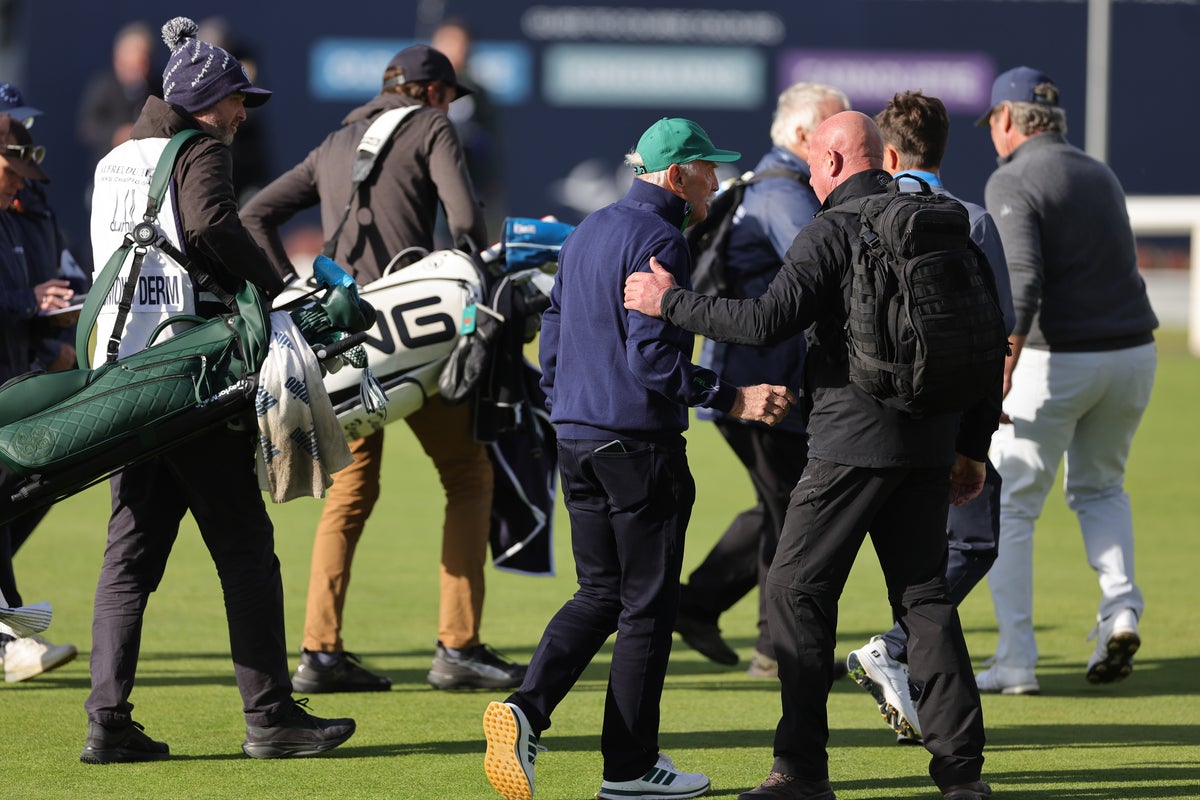
PAWhen Dermot Desmond, the owner of Celtic, found himself at the centre of a tense moment on the fairways of the Alfred Dunhill Links pro‑am, the episode sent ripples through a fanbase that has long felt its voice muted. The incident unfolded in broad daylight, with supporters stepping in to physically remove the owner from the course, a stark departure from the usual decorum of a charity golf event. For many watching, the sight of a club’s figurehead being ushered away was both shocking and oddly satisfying, a visual that summed up years of simmering frustration.
At its core, the reaction was about more than a single golf round. Celtic supporters have been voicing concerns over a range of issues – from financial transparency to on‑field performance – and the public nature of the confrontation turned those grievances into a tangible moment. The fans’ willingness to cross the line from chants in a stadium to a physical presence at a social function signals a shift in how they perceive their leverage. No longer content to be background noise, they chose a high‑profile setting to make sure the message could not be ignored.
The significance of an owner being confronted in such a setting goes beyond the immediate drama. It reflects a broader trend where supporters are demanding accountability in ways that challenge traditional hierarchies within football clubs. When a proprietor is escorted off a pro‑am course, it sends a clear signal that the distance between boardroom decisions and the terraces is narrowing. The gesture is symbolic, showing that the community can, and will, intervene when they feel the club’s direction is out of step with its supporters’ expectations.
Choosing a pro‑am tournament as the backdrop for the protest was a calculated move, whether consciously or not. These events are designed to be relaxed, charitable affairs that draw media attention without the pressure of a competitive match. By inserting themselves into that calm, fans amplified their grievance in a venue that normally shields club officials from direct criticism. The unexpected nature of the disruption ensured the incident would dominate headlines far beyond the usual golf coverage, forcing a wider audience to reckon with the undercurrents of discontent.
The aftermath for the relationship between Celtic and its supporters is likely to be complex. On one hand, the incident could galvanise the fanbase, reinforcing a sense that collective action can produce visible results. On the other, it may prompt the club’s leadership to reconsider how they engage with their most vocal constituents, perhaps ushering in more transparent dialogue or, conversely, a defensive tightening of security at public events. Either outcome underscores that the bond between owner and fan is now being tested in new arenas.
In the wider football landscape, this episode adds to a growing catalogue of moments where fans have taken matters into their own hands – from pitch invasions to coordinated social media campaigns. The power of a united supporter base is being re‑defined, no longer confined to the stands but spilling over into boardrooms and, in this case, golf courses. The speed at which the story spread, aided by online platforms, shows how quickly a single act can become a rallying point for wider debate about governance and ownership.
Looking ahead, Celtic supporters are likely to watch closely how Dermot Desmond and the club’s hierarchy respond. Will there be a public apology, a pledge to address specific concerns, or a tightening of security that distances leadership from the fanbase? The incident has already set a precedent: the line between private events and public accountability is increasingly blurry. For supporters, the episode may be a reminder that their presence matters, and that they can, when united, compel even the most insulated figures to reckon with the voices that keep the club alive.