Truro City‑Folkestone Invicta clash called off after Yassine En‑Neyah’s medical emergency
Truro City’s National League South fixture against Folkestone Invicta was postponed when midfielder Yassine En‑Neyah required emergency medical treatment during the warm‑up.
By Callum Reid · 7 Nov 2026 · 2 min read
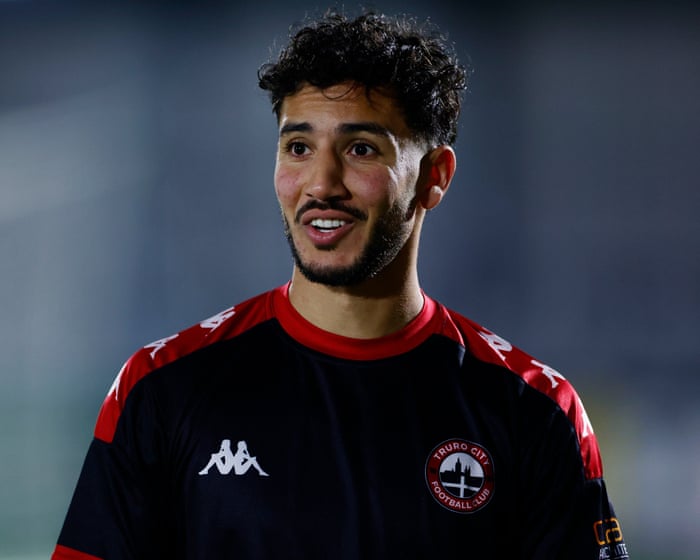 Photograph: Phil Mingo/PPAUK/Shutterstock
The National League South meeting between Truro City and Folkestone Invicta never got under way after midfielder Yassine En‑Neyah suffered a serious medical episode in the pre‑match warm‑up. The player was taken to hospital, and the clubs agreed to suspend the game immediately. The abrupt halt to the contest underscores how quickly a routine routine can turn into a crisis when health issues surface on the pitch.
The first and obvious concern is En‑Neyah’s wellbeing. Both clubs have issued statements confirming that the player received prompt medical assistance and was transferred for further care. While the details of his condition remain private, the swift response reflects the robust emergency protocols that have become standard in modern football. When a player collapses or experiences a sudden health scare, the priority shifts from competition to preservation of life, and the decision to abandon the fixture was the correct one.
From an administrative perspective, the postponement creates a scheduling dilemma for the league. National League South fixtures are already tightly packed, and finding a suitable date to replay the game will require coordination between the two clubs and the governing body. The delay could lead to a congested fixture list later in the season, potentially forcing teams into a sprint of back‑to‑back matches. That scenario can strain squad depth and affect performance, especially for clubs already juggling limited resources.
On the sporting side, the interruption disrupts the rhythm both squads were building in preparation for the encounter. Training cycles, tactical drills, and psychological readiness have all been put on hold, and coaches will need to recalibrate their plans once the fixture is rescheduled. Players who were primed for a competitive test now have an unexpected break, which can affect momentum and confidence. The emotional impact of seeing a teammate in distress cannot be underestimated; it may linger in the dressing room and influence subsequent performances.
Going forward, the key storylines will be En‑Neyah’s recovery and the practicalities of re‑booking the match. Updates on his health will dictate whether he can return to action soon, while the league’s rescheduling timetable will determine how much disruption the two clubs face. In the meantime, the incident serves as a stark reminder that football, despite its glamour, is still a physically demanding sport where player safety must always come first.