Tenerife striker Jesus de Miguel dies after collision with Andorra goalkeeper, prompting Arsenal tribute
Tenerife forward Jesus de Miguel succumbed to injuries from an on‑pitch clash with Andorra keeper Jesus Owono, leading to the match being halted and tributes from clubs including Arsenal.
By Graham Pettifer · 3 Nov 2026 · 2 min read
 AFP/Getty
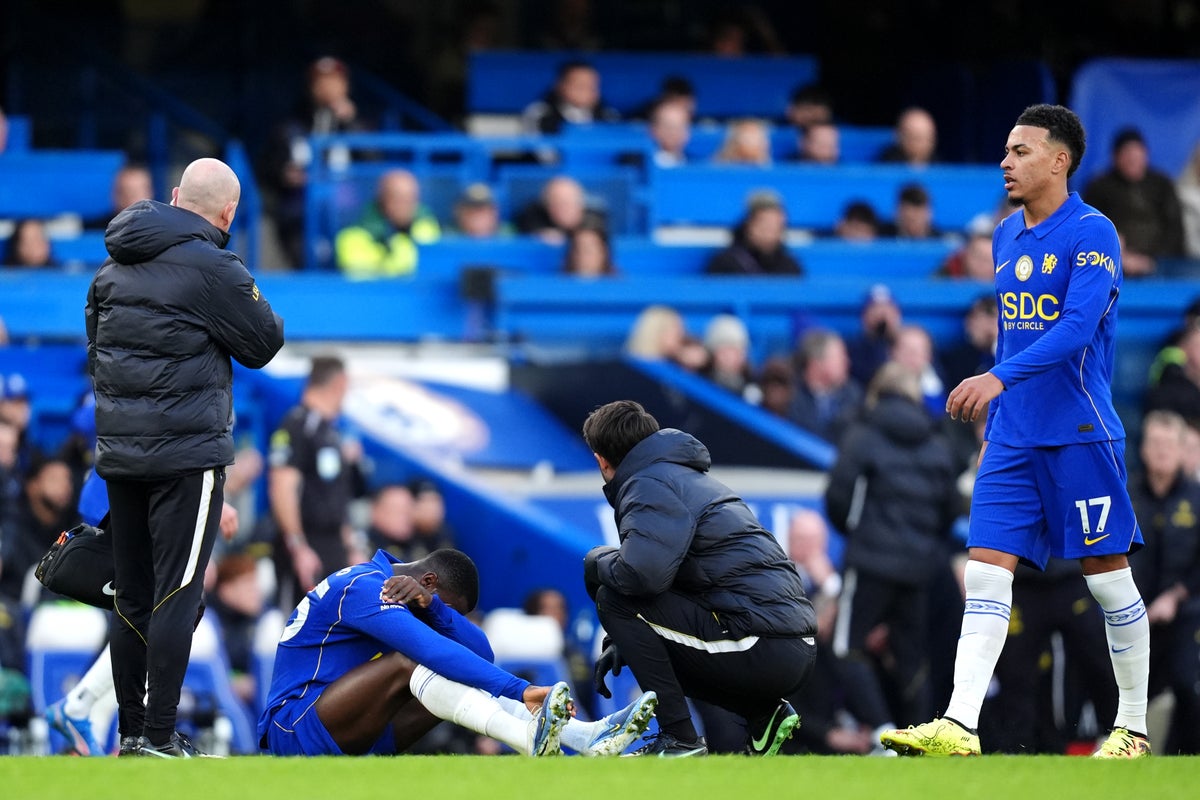
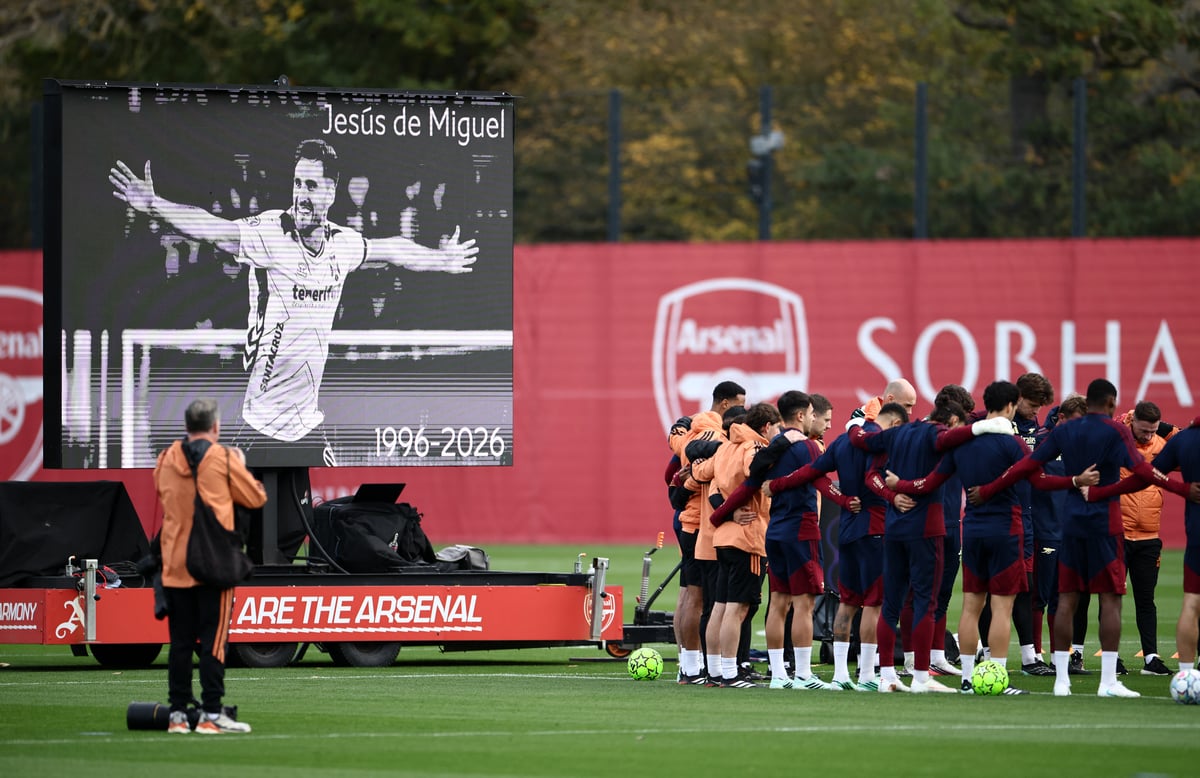
The Spanish second tier was stunned this week when Tenerife’s forward Jesus de Miguel was taken to hospital following a collision with Andorra goalkeeper Jesus Owono, and later died from the injuries sustained. The incident occurred during a routine league encounter, prompting officials to abandon the match and sending shockwaves through both clubs and the broader football community. Within hours, Arsenal, a club far removed from the fixture, gathered at their training ground to honour the fallen player, a gesture that underscored the sport’s shared sense of grief beyond national borders.
While football is celebrated for its drama and competition, the loss of a player on the field is a stark reminder of the game’s inherent risks. Over the decades, the sport has seen occasional tragic moments that have prompted reflection on player safety, medical preparedness, and the emotional toll such events exact on teammates and opponents alike. This episode fits within that somber lineage, reminding fans and officials that the thin line between sport and peril can be crossed in an instant, no matter the level of play.
For a goalkeeper, involvement in a fatal accident can be particularly crushing. The position demands split‑second decisions, and the responsibility of preventing goals can sometimes culminate in unintended harm. Jesus Owono’s reaction, as reported, suggests the profound personal impact such incidents can have on those directly involved. The psychological aftermath for a keeper who collides with a teammate in a fatal manner may reverberate long after the immediate shock subsides, influencing confidence and performance in future fixtures.
Arsenal’s decision to hold a tribute at their training ground illustrates how clubs across the footballing world often respond to tragedy with solidarity. Such gestures, whether through moments of silence, public statements, or collective prayers, serve both as a mark of respect for the individual and as a communal coping mechanism for the sport’s wider family. The visibility of a Premier League club’s homage can also amplify awareness of the incident, prompting a broader conversation about the welfare of players at all tiers.
In the wake of this heartbreaking event, questions arise about the adequacy of existing safety protocols and medical response measures within lower‑division matches. While the immediate response appeared swift, the ultimate outcome may spur governing bodies to re‑examine standards for on‑field injury assessment and emergency care. The footballing community, from grassroots clubs to elite institutions, will likely watch closely to see how lessons are drawn from this loss, ensuring that the memory of Jesus de Miguel contributes to a safer future for the sport he loved.