Rwanda signs 10‑year Formula One agreement, bringing the sport back to Africa
Rwanda has secured a decade‑long contract to host Formula One races starting in the early 2030s, marking the championship’s first African Grand Prix since 1993.
By Naomi Osei · 13 Oct 2026 (updated 10 Nov 2026) · 2 min read
 Photograph: Formula 1 Handout/Formula 1/Handout Photo/PA
Rwanda has officially locked in a ten‑year partnership to stage Formula One events, with the inaugural race slated for the early 2030s. The agreement signals the return of the world’s premier single‑seater series to the African continent after a gap that stretches back to 1993. While the precise start year remains to be confirmed, the deal positions Rwanda as the next frontier for the sport’s global calendar.
For Formula One, the addition of an African Grand Prix aligns with a broader strategy to diversify its geographical footprint and tap into new markets. A decade‑long commitment provides both the championship and the host nation with a stable planning horizon, allowing for the development of infrastructure, promotional activities, and long‑term commercial partnerships. The timing also coincides with the series’ recent push to explore regions that have previously been under‑represented on the schedule.
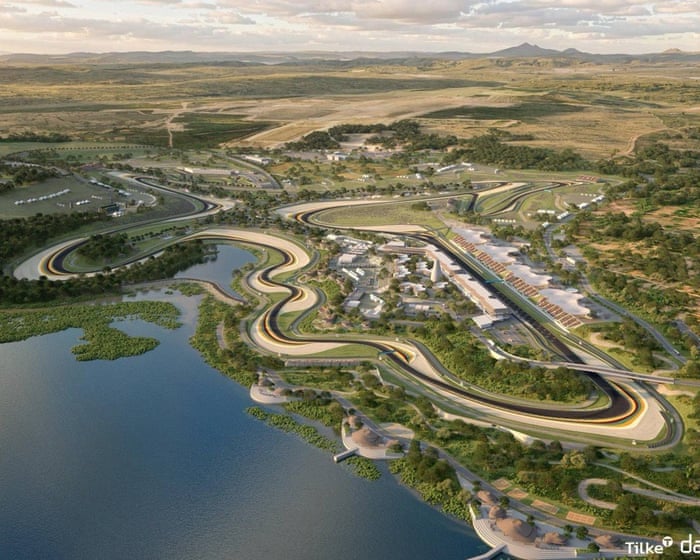
From Rwanda's perspective, the prospect of a purpose-built circuit in Bugesera, about 40km south of Kigali and next to the new international airport, offers a potential catalyst for economic growth. Hosting a Formula One weekend typically generates a surge in international tourism, hospitality demand, and ancillary services. Moreover, the construction and operation of a modern racing facility can create skilled jobs and stimulate related industries such as engineering, construction, and event management. The exact financial terms of the agreement have not been disclosed, leaving the scale of the anticipated economic impact open to interpretation.
The race could also serve as a springboard for motorsport development across Africa. A flagship event on the continent provides local drivers with a visible pathway to the highest level of competition, encourages grassroots racing programs, and attracts regional sponsors seeking exposure on a global stage. It may inspire investment in feeder series, karting facilities, and driver academies, potentially reshaping the talent pipeline for the sport.
Several key details remain uncertain. The track is being designed by former F1 driver Alexander Wurz, but its capacity, the exact calendar slot and the logistical framework for transporting teams and equipment to the region have yet to be outlined. Additionally, the financial model—whether the host nation is providing subsidies, revenue‑sharing arrangements, or other incentives—has not been made public. These unknowns will shape how quickly the event can move from agreement to reality.
In the wider narrative of sport globalisation, Rwanda’s entry onto the Formula One map underscores a willingness by emerging economies to host marquee events that elevate their international profile. The decade‑long horizon suggests a commitment to building a lasting presence rather than a one‑off showcase. As the early 2030s approach, stakeholders will be watching closely to see how the partnership translates into concrete plans and whether the promised return of Formula One to Africa delivers the competitive and commercial benefits all parties anticipate.