Manchester United’s 3-2 comeback over Roma keeps Michael Carrick in charge
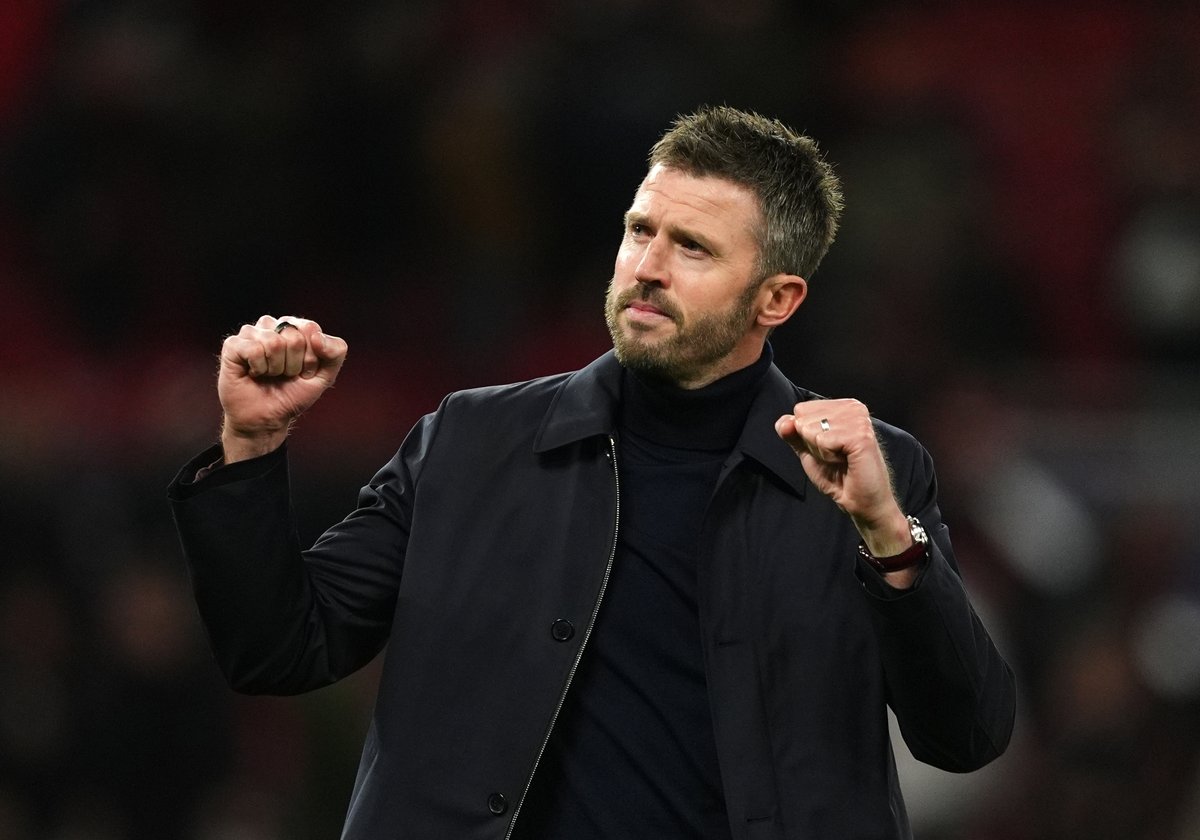
Manchester United rallied from 2-0 down to beat Roma 3-2, rescuing Michael Carrick’s job after a nine‑game winless run.
By Naomi Osei · 4 Nov 2026 · 2 min read
 Reuters
Manchester United’s narrow 3-2 victory over Roma has immediate implications beyond the three points. The English side found themselves trailing by two goals inside the first 20 minutes, a scenario that typically forces a manager into a defensive mindset. Yet, a halftime team talk appeared to shift the tone, setting the stage for a dramatic turnaround.
The comeback itself tells a story of resilience. Overturning a two‑goal deficit in a single match is statistically rare and often reflects a combination of tactical adjustment and heightened player belief. For United, the turning point coincided with a retaken penalty, a moment that can galvanise a squad and swing momentum. While the exact timing of that penalty is not disclosed, its impact on the game’s flow is evident in the eventual scoreline.
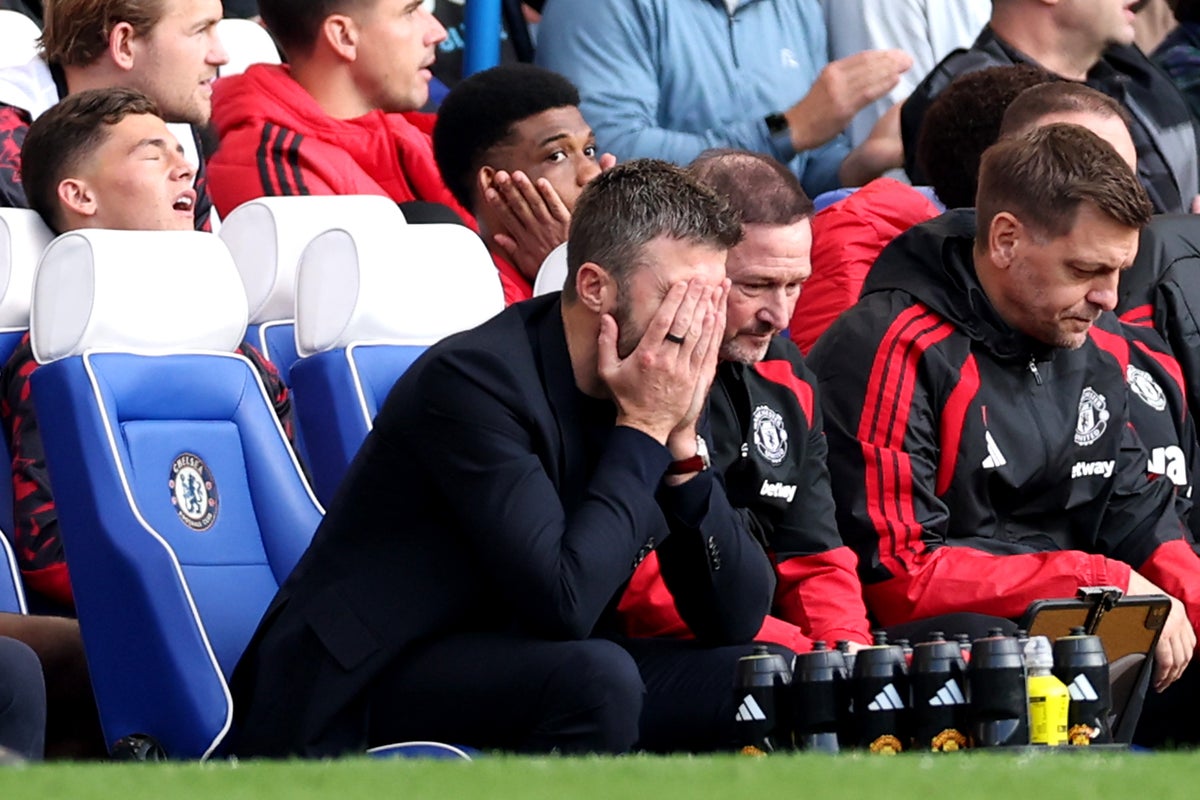
Beyond the on‑field drama, the result directly affects Michael Carrick’s standing. Reports indicated his position looked precarious when United fell behind early, and the win now buys him a reprieve. In professional football, a single positive outcome can extend a manager’s tenure, especially when it halts a prolonged winless streak—nine matches in this case. The psychological lift for both the coaching staff and the players cannot be overstated, as confidence often erodes during extended periods without victory.
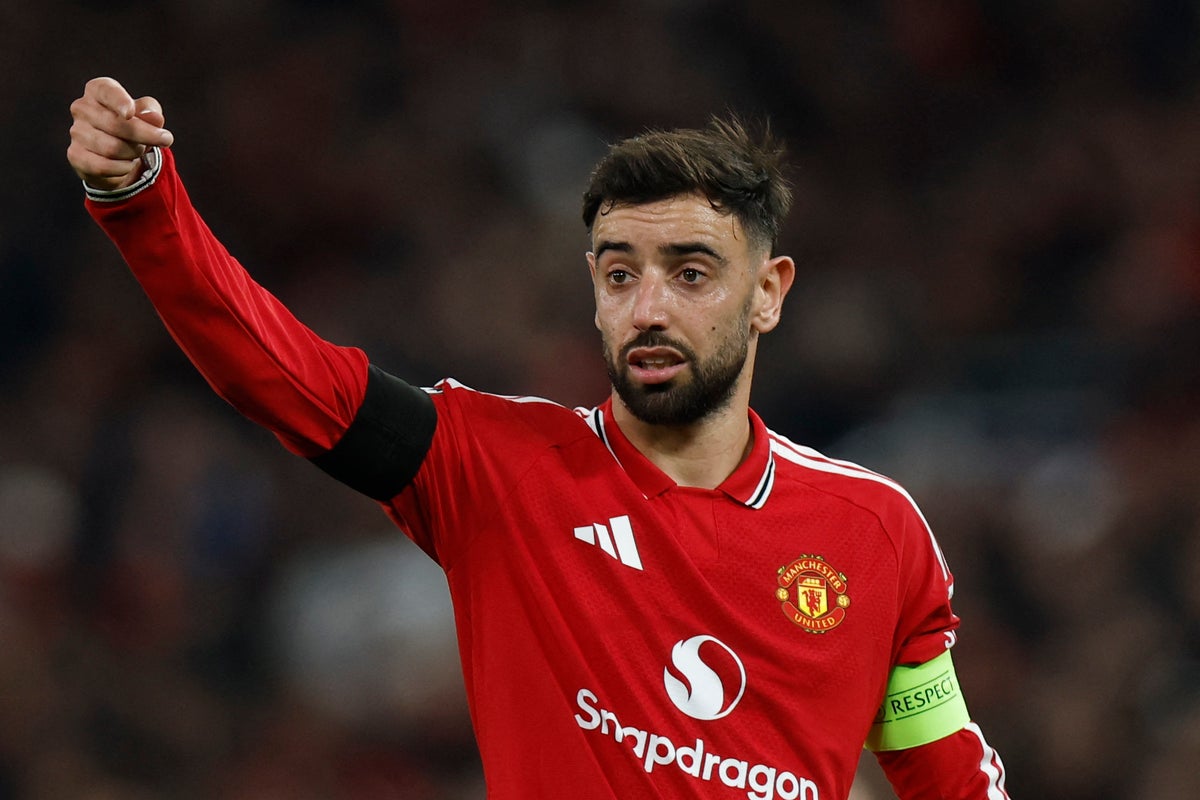
The situation also sheds light on squad dynamics, particularly concerning Bruno Fernandes. After being dropped from the starting lineup last month for publicly questioning Carrick’s tactics, Fernandes later conceded the decision was justified. His acceptance suggests a restored hierarchy within the dressing room, an essential factor for any manager seeking stability. The benching and subsequent endorsement illustrate how internal dissent can be managed when results improve.
Looking ahead, the win does not guarantee long‑term security for Carrick, but it does reset the narrative. The immediate pressure eases, allowing the coaching team to focus on building consistency rather than crisis management. For United supporters, the comeback offers a glimpse of the attacking vigor associated with earlier eras of the club, hinting that the underlying quality remains, even if recent form has faltered. The next fixtures will determine whether this resurgence is a fleeting flash or the foundation for a more sustained revival.