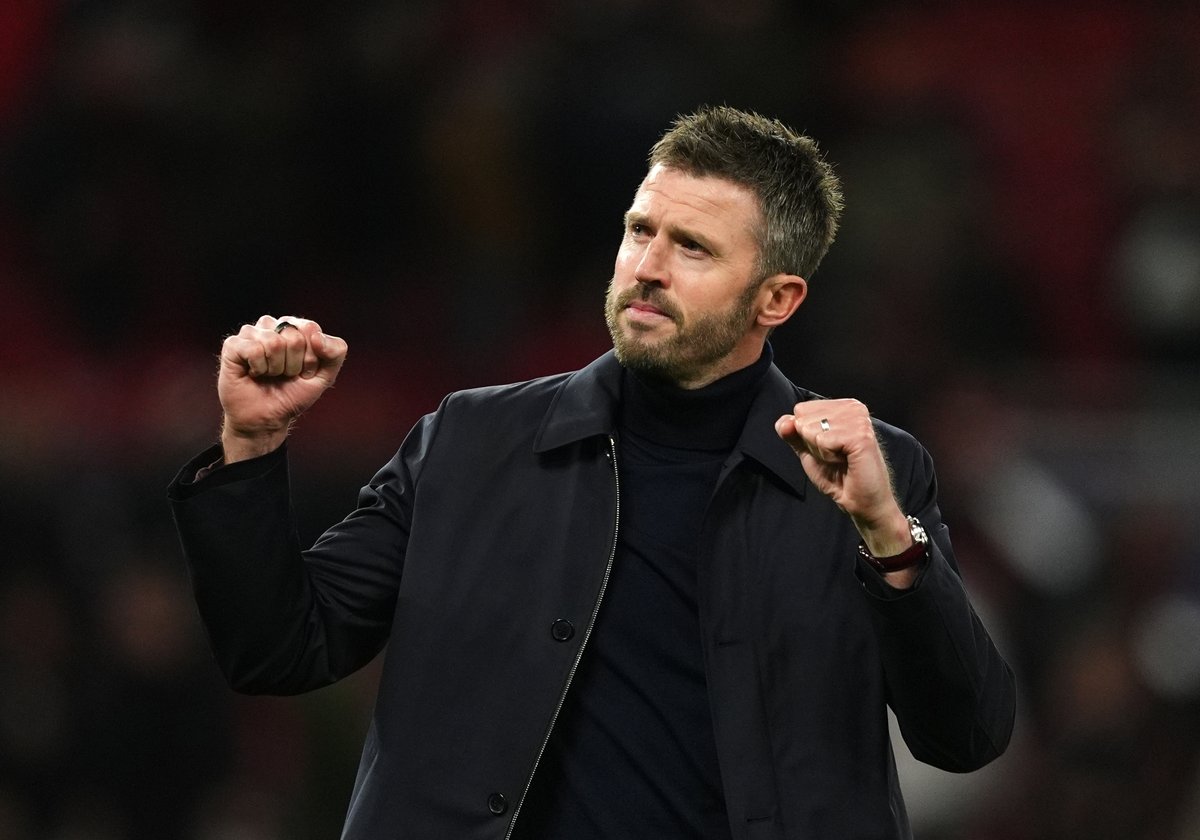
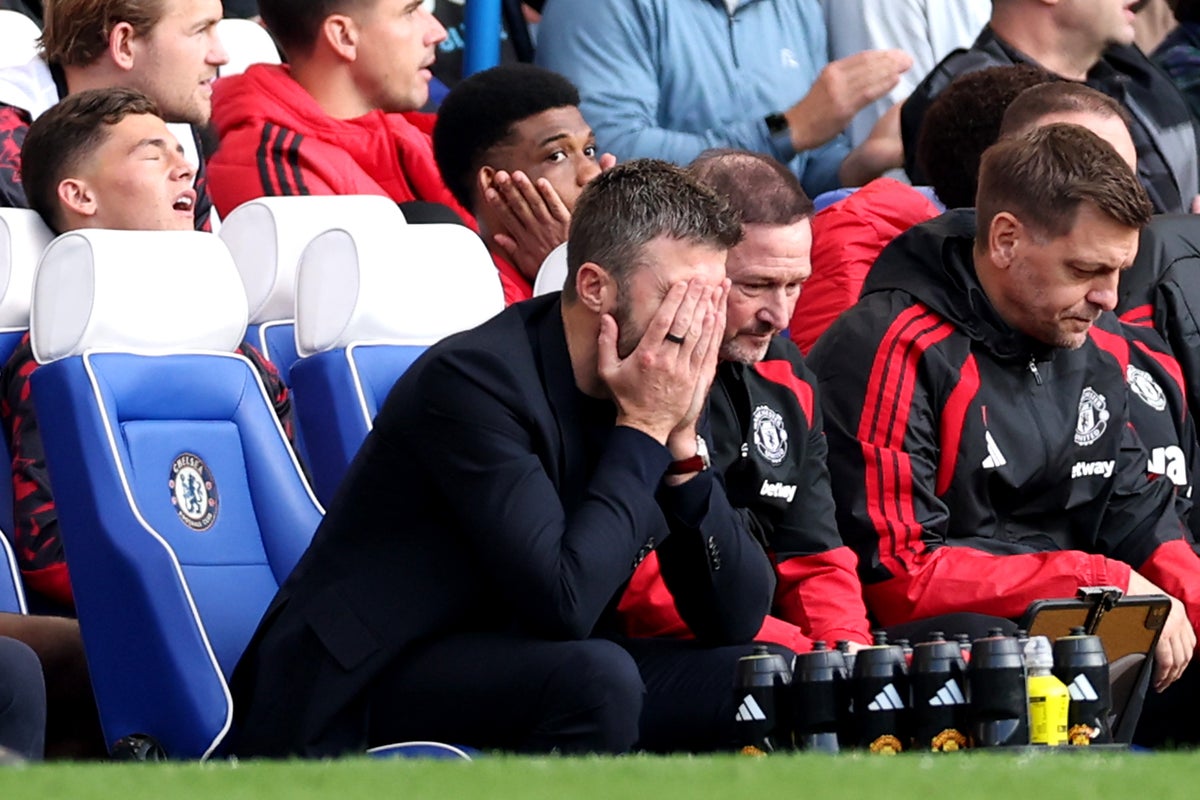
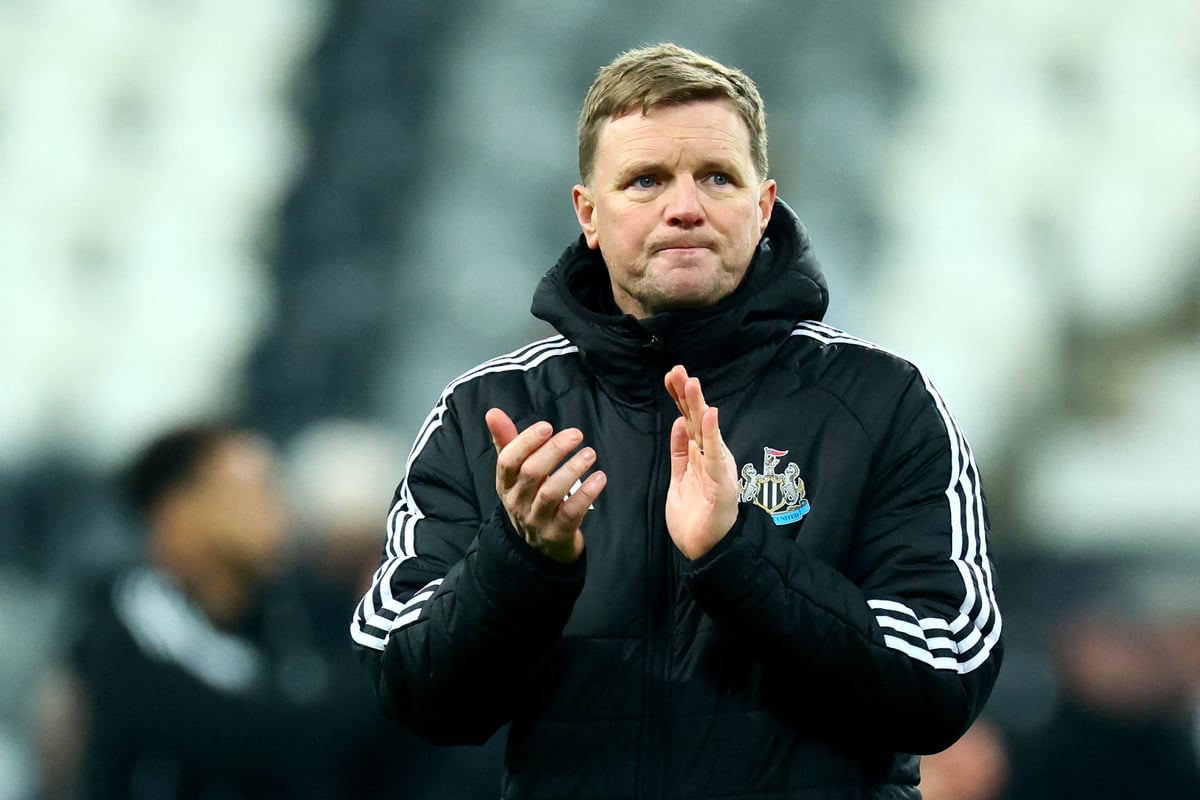
Manchester United appoint Mauricio Pochettino, ending Carrick era
Manchester United have confirmed Mauricio Pochettino as the new manager, replacing Michael Carrick after a historically poor start, as the club looks to reverse fortunes.
By Priya Anand · 9 Nov 2026 (updated 11 Nov 2026) · 2 min read
 AFP/Getty
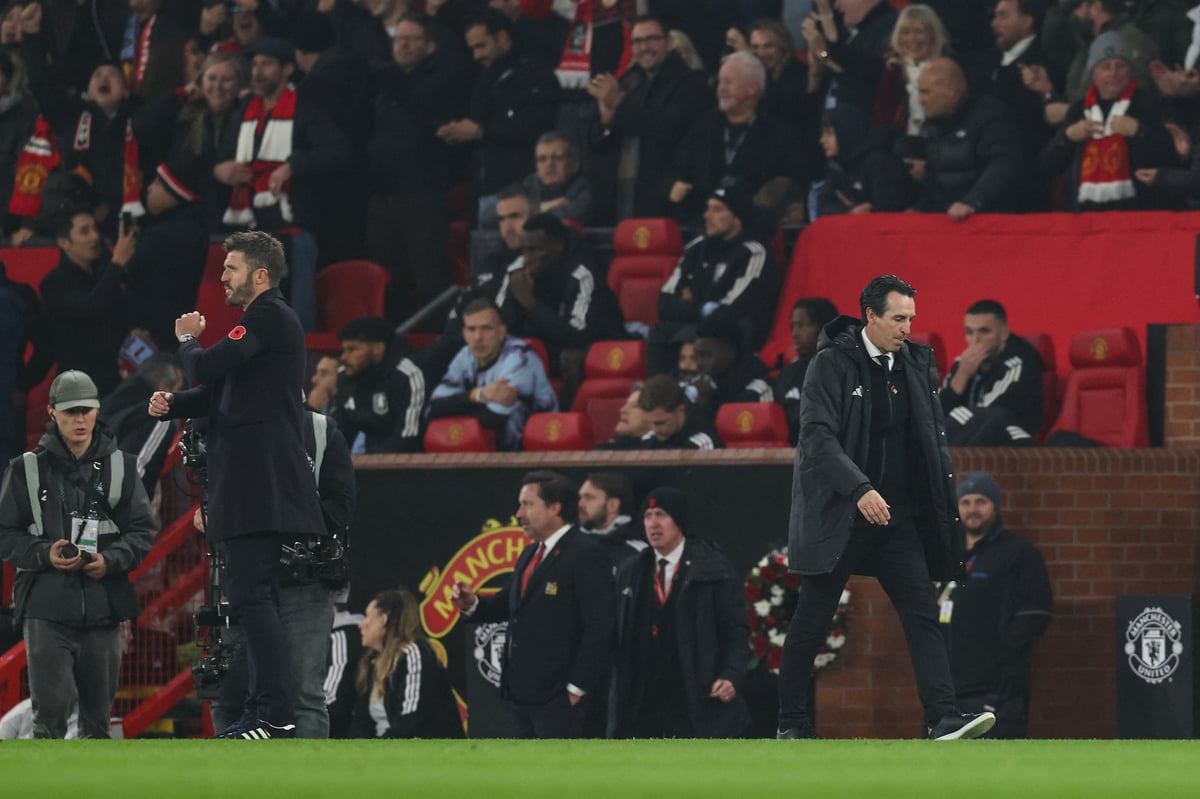
Manchester United have formally announced the arrival of Mauricio Pochettino as their new head coach, putting an end to Michael Carrick's brief spell in charge. The decision comes on the back of a domestic campaign that has been described as the club's worst start in four decades, prompting the board to act decisively. By confirming Pochettino, the Red Devils have signalled that they are moving beyond a stop‑gap solution and are seeking a manager with a proven pedigree at the highest level.
Pochettino's link with United is not a flash‑in‑the‑pan development; reports have highlighted a decade‑long courtship that finally culminated in an agreement close to completion. His previous tenure in the Premier League, notably with Tottenham Hotspur and Chelsea, gives him a familiar footprint in English football, and his reputation for building organized, high‑pressing sides appears to align with the club’s desire to restore a competitive edge. The appointment suggests the board values continuity and a clear footballing philosophy over a rushed, reactive hire.
Nonetheless, the internal atmosphere is not uniformly enthusiastic. Sources indicate that a segment of United's playing staff had hoped for a different, high‑profile option to take the reins. This split among the squad mirrors a broader fan divide, with some supporters embracing the Pochettino project while others remain skeptical, questioning whether his style will translate to the expectations and pressures unique to Old Trafford. Such divergent views could pose an early test for the new manager as he seeks to unify the dressing room.
Strategically, the change raises immediate questions about transfer policy and squad composition. While no concrete moves have been disclosed, the appointment inevitably forces the recruitment team to consider how any incoming players will fit into Pochettino's tactical blueprint. The club now faces the challenge of aligning its market activity with a manager who favors athletic, versatile profiles, without compromising the short‑term need to arrest the slide in results.
In the wider context, this managerial shift underscores Manchester United's ambition to halt a worrying decline and reassert themselves among the league’s elite. The board’s willingness to part with Carrick and secure a manager of Pochettino's stature reflects both urgency and a long‑term vision. As the season progresses, observers will be watching closely to see whether his arrival can translate into a swift turnaround on the pitch and a renewed sense of direction off it.