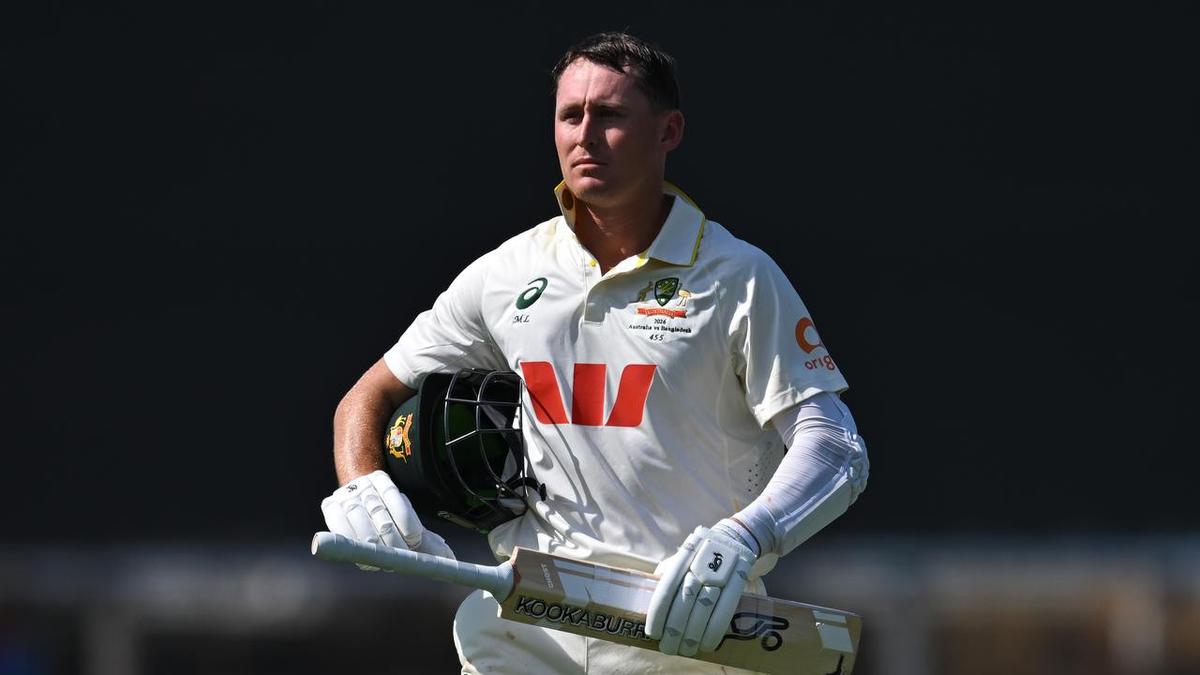
Labuschagne scores 12 in Queensland Shield debut after Test drop
Marnus Labuschagne managed only 12 runs in his opening Sheffield Shield innings for Queensland after being omitted from Australia’s Test side.
By Grace Whitmore · 11 Nov 2026 · 3 min read
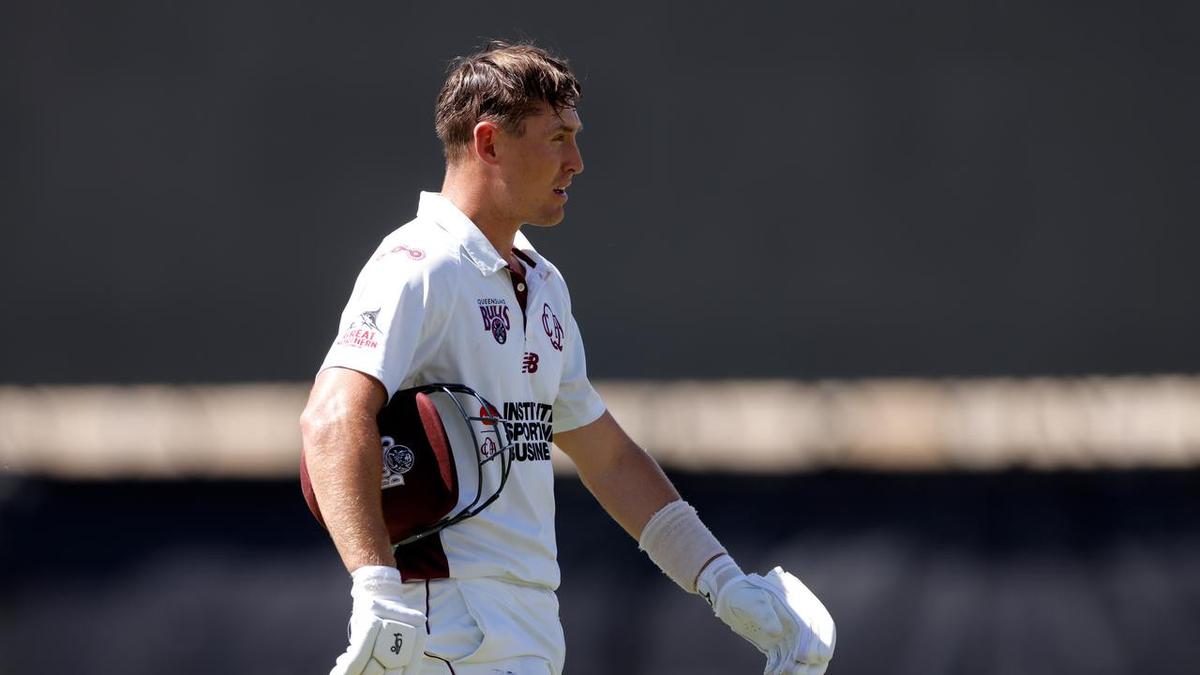 via PerthNow
Marnus Labuschagne stepped back onto the field for Queensland in the Sheffield Shield and produced a modest tally of 12 runs, a performance that arrives in the wake of his recent removal from the Australian Test lineup. The transition from the international arena to state cricket often carries a weight of expectation, and his brief contribution has already become a focal point for observers tracking his next move. While the figure itself is unremarkable on paper, the circumstances surrounding it invite a broader discussion about form, confidence and the pathways that elite cricketers navigate when they find themselves on the fringes of national selection.
The Sheffield Shield has long served as the crucible in which Australian batters either reaffirm their credentials or confront the realities of a game that demands relentless consistency. For a player who has recently experienced the disappointment of being dropped from the Test squad, the Shield offers a platform to reset, to apply lessons learned at the highest level, and to demonstrate resilience. The competition’s reputation for producing technical rigor and mental fortitude means that each innings, even a short one, is measured against a backdrop of high standards and intense scrutiny.
From a psychological perspective, the shift can be jarring. The abrupt change from representing the nation to competing for a state side may affect a player's mindset, influencing shot selection, temperament and overall approach at the crease. A score of 12, while far from a statement of intent, can also be a symptom of an adjustment period rather than a definitive verdict on ability. The pressure to perform immediately after a setback can lead to tentative play, and the early stages of a return to domestic cricket are frequently marked by a search for rhythm and confidence.
Selectors and coaches will undoubtedly be watching Labuschagne’s subsequent outings closely, using them to gauge whether he can translate his experience into sustained domestic success. One innings rarely dictates a player's future trajectory; instead, a pattern of performances across the Shield season will carry more weight. The immediate question, therefore, is not whether this particular knock signals a permanent decline, but whether the upcoming matches will reveal the capacity to rebuild his batting credentials.
History shows that many players have used the Shield as a springboard back into the national fold, while others have found the step down more challenging than anticipated. This duality underscores the competition’s role as both a proving ground and a humbling environment. Labuschagne’s modest start adds him to the long line of cricketers navigating this delicate balance, and his next performances will be the true barometer of any potential resurgence.
In the meantime, Queensland supporters and cricket analysts alike will be keenly observing how Labuschagne adapts to the demands of state cricket after his Test omission. The 12-run innings may be a small footnote in a larger story, but it sets the stage for a narrative that will unfold over the coming weeks, offering insight into the resilience of a player seeking to rediscover form and perhaps earn his way back into the Australian Test arena.