French, Japanese FA chiefs contest Infantino; FA ends legal bid
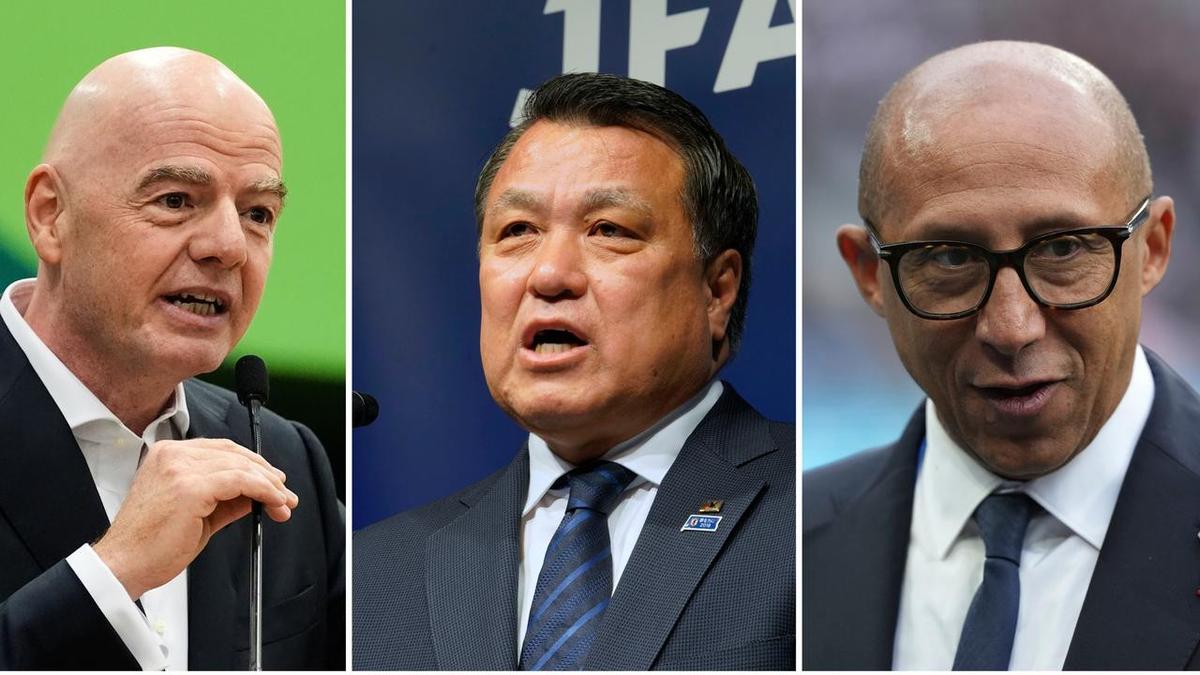
French federation president Philippe Diallo and Japanese federation president Kozo Tashima have announced they will contest Gianni Infantino’s re‑election bid, while England’s FA has decided not to pursue a legal challenge to his eligibility.
By Bethan Vaughan · 19 Nov 2026 · 3 min read
 via PerthNow
The football world woke up to a surprise package of moves that will shape the next few months of the sport’s governance. In France and Japan the heads of their national federations – Philippe Diallo and Kozo Tashima – stepped forward to throw their weight behind a challenge to Gianni Infantino’s bid for another term at the top of FIFA. At the same time, the English FA made a very different choice, opting not to go to court over the question of Infantino’s eligibility. For supporters, those two developments sit side by side and set the tone for a season that now feels less about on‑field results and more about who gets to run the game.
Fans in France and Japan are feeling a mix of cautious optimism and wary scepticism. The idea that their own federations are willing to openly question the incumbent suggests a desire for fresh ideas, and many supporters see it as a sign that the old guard may finally be shaken. Yet there is also a recognition that the road ahead is long and fraught – a contest for the FIFA presidency is a marathon, not a sprint, and ordinary fans worry about how much influence they will have when the voting takes place behind closed doors. Still, the mere fact that the challenge is being voiced gives a sense of agency that has been missing for a while.
Across the Channel, English supporters have taken a different view of the FA’s decision not to mount a legal challenge. Some fans breathe a sigh of relief, interpreting the move as a pragmatic acceptance that a court battle would be a costly distraction from the game they love. Others feel a sting of disappointment, fearing that stepping back means missing an opportunity to push for a more transparent election process. The decision has sparked a conversation in the terraces and online forums about whether the FA should be fighting for change from the outside or focusing on the domestic game and its own reforms.
What ties these reactions together is the underlying question of what a FIFA presidency means for the average supporter. The stakes are not about trophies or transfer fees; they are about how the sport is governed, how money is distributed, and how the game can be kept accessible at the grassroots level. For fans, a new president could mean different priorities – perhaps a stronger focus on fan‑centred policies, or a reshuffle of how international calendars are set. The upcoming election, therefore, feels like a referendum on the direction of football itself, and the voices of supporters are louder than ever, even if they are not sitting in the boardrooms.
As the calendar moves toward the FIFA election, the mood among fans is a blend of hope and impatience. The challenge from France and Japan signals that change is possible, while the English FA’s restraint reminds everyone that the path to that change can be uneven. What remains clear is that supporters will be watching the vote closely, ready to celebrate a fresh start if it arrives, or to rally once more if the status quo endures.