Drone footage of Pochettino’s first Manchester United training
A fan used a drone to film Mauricio Pochettino’s inaugural training session at Manchester United’s Carrington ground, and the video was posted online.
By Graham Pettifer · 19 Nov 2026 · 2 min read
 Getty
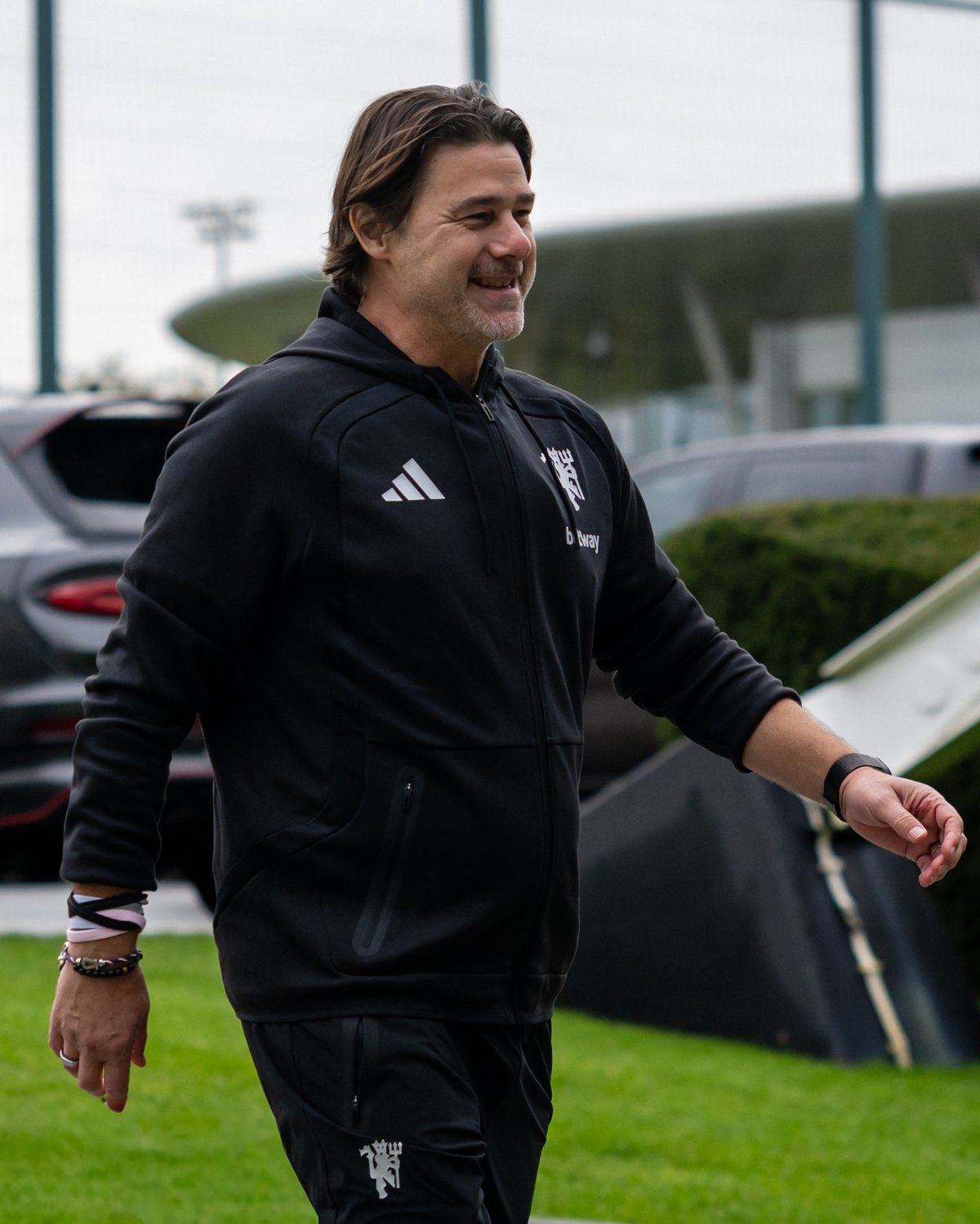
Mauricio Pochettino’s arrival at Manchester United has already generated intense interest, and the very first training session under his direction has now been captured from the air by a drone. The recording, taken by a member of the public outside the club’s Carrington facilities, quickly surfaced online, raising immediate questions about security and privacy at one of the sport’s most closely watched clubs.
First‑day sessions are traditionally a moment of quiet assessment, a chance for a new manager to gauge the squad’s response to fresh ideas without the glare of the cameras. The unexpected airborne glimpse bypasses that initial low‑key atmosphere, turning what is usually a private evaluation into a public spectacle. For a club that constantly navigates the fine line between openness to supporters and the need to protect its internal processes, the incident underscores how fragile that balance can be.
Training grounds have long been guarded spaces, but the proliferation of inexpensive, high‑resolution drones has introduced a new layer of vulnerability. While clubs invest heavily in perimeter security, aerial devices can slip over fences and walls, capturing footage that would otherwise remain unseen. This development forces clubs to reconsider traditional security protocols, potentially integrating counter‑drone measures or revising access policies for the surrounding area.
The immediate impact on Pochettino’s preparations is difficult to gauge, but the knowledge that his methods are on display may influence how he structures future sessions. Managers often rely on a degree of anonymity to experiment with tactics or to manage player morale. When that anonymity is compromised, the pressure to perform under a wider audience intensifies, and the club may feel compelled to respond publicly, either by reinforcing security or by addressing the breach directly.
Beyond the practical concerns, the episode reflects a broader cultural tension between the public’s appetite for insider access and the right of teams to conduct their business without intrusion. In an era where every training drill can become a viral clip, the sport must grapple with how to safeguard the integrity of its preparatory work while still satisfying a fan base that expects unprecedented transparency. The drone incident at Carrington is a vivid illustration of that ongoing negotiation, and it will likely prompt clubs across the league to re‑evaluate how they protect the sanctity of their training environments.