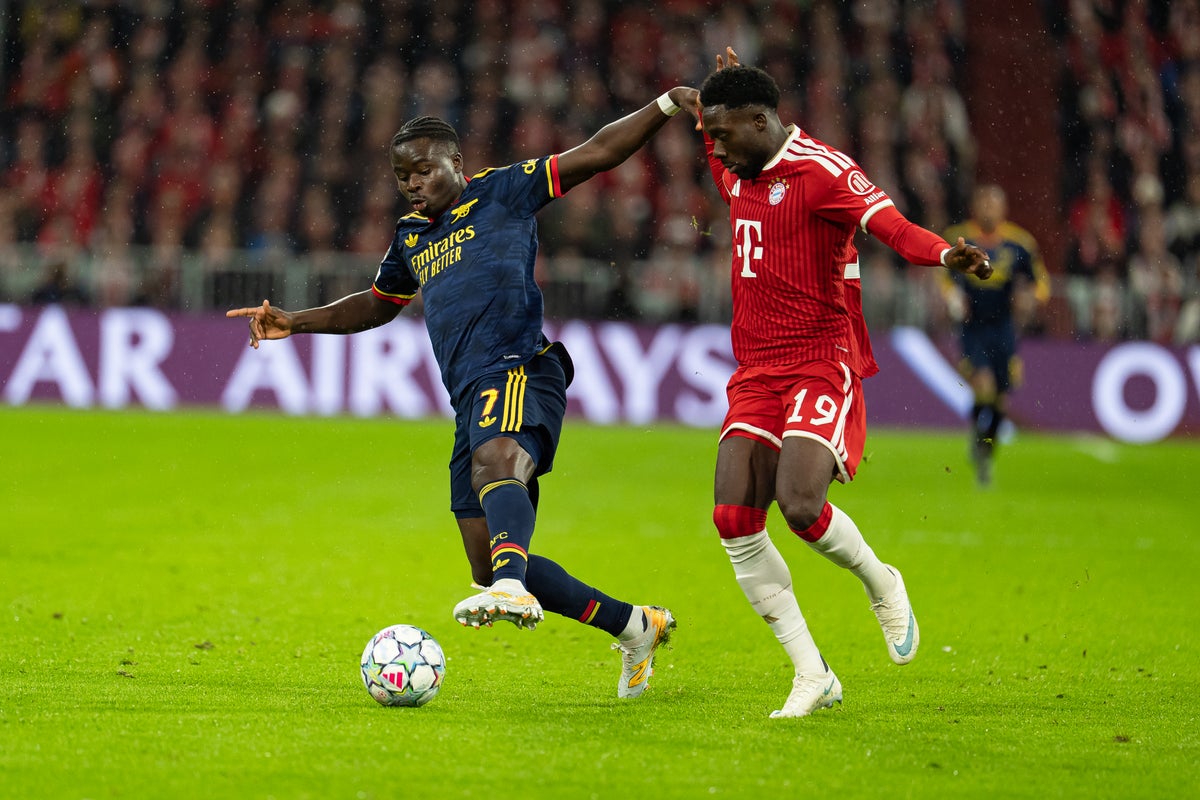
Chelsea forward Maxence Lacroix faces months‑long lay‑off with hamstring injury
Chelsea have confirmed that forward Maxence Lacroix suffered a serious hamstring injury that could keep him out until January, creating a significant gap in their attacking options.
By Callum Reid · 30 Oct 2026 · 2 min read
 via BBC Sport
Chelsea have confirmed that forward Maxence Lacroix has sustained a hamstring injury of a seriousness that may sideline him until the new year. The club's medical update frames the setback as a lengthy lay‑off, underscoring the physical toll such injuries can exact on a player in peak competition. While the diagnosis itself is straightforward, the timing injects a degree of uncertainty into the squad's planning, especially as the calendar edges toward a congested period. Lacroix’s absence, therefore, is not merely a footnote but a tangible loss of attacking depth.
The practical impact of losing a forward for several months extends beyond a simple personnel gap. A player of Lacroix’s profile typically offers a specific blend of pace, movement and finishing that coaches design around. Without that option, the team must redistribute minutes among the remaining attackers, which can strain those already carrying heavy workloads. Moreover, the reduced variety in the attacking third may limit the ability to exploit different defensive weaknesses, forcing a narrower tactical palette.
From a tactical standpoint, the absence forces a recalibration of the forward line. Systems that rely on a high‑pressing outlet or a target‑man role will need to be re‑examined, as the personnel left to fill those responsibilities may not possess the same physical attributes. Consequently, the coaching staff may lean toward formations that emphasize midfield penetration or wing play, compensating for the missing striker’s presence. Such adjustments are not merely cosmetic; they alter the rhythm of the attacking phases and can influence how the team defends from the front.
The club’s cautious tone about a recovery that stretches into January suggests a measured rehabilitation programme rather than a rushed return. Hamstring injuries of this nature are prone to relapse if the muscle is not fully restored, and the medical team’s priority will be to safeguard long‑term fitness over short‑term gain. This approach, while frustrating for supporters eager for an immediate comeback, aligns with best practice in sports medicine and may ultimately preserve the player’s effectiveness for the latter part of the season.
Looking ahead, the onus now rests on the squad to bridge the gap left by Lacroix’s sidelining. Young prospects or fringe players will be afforded a chance to stake a claim, while established attackers must shoulder additional responsibility. The situation also puts pressure on the club to consider any short‑term reinforcement options, albeit within the constraints of existing regulations. In any case, the true measure of the team’s resilience will be reflected in how it adapts its offensive strategy while Lacroix works toward a full recovery.