West Ham forward Taty Castellanos spitting at Millwall goalkeeper Filip Marschall sparks arrests in derby clash
West Ham United forward Taty Castellanos was filmed spitting at Millwall goalkeeper Filip Marschall during their derby, prompting accusations of misconduct and police arrests.
By Bethan Vaughan · 19 Sept 2026 · 3 min read · Australia edition
 Getty
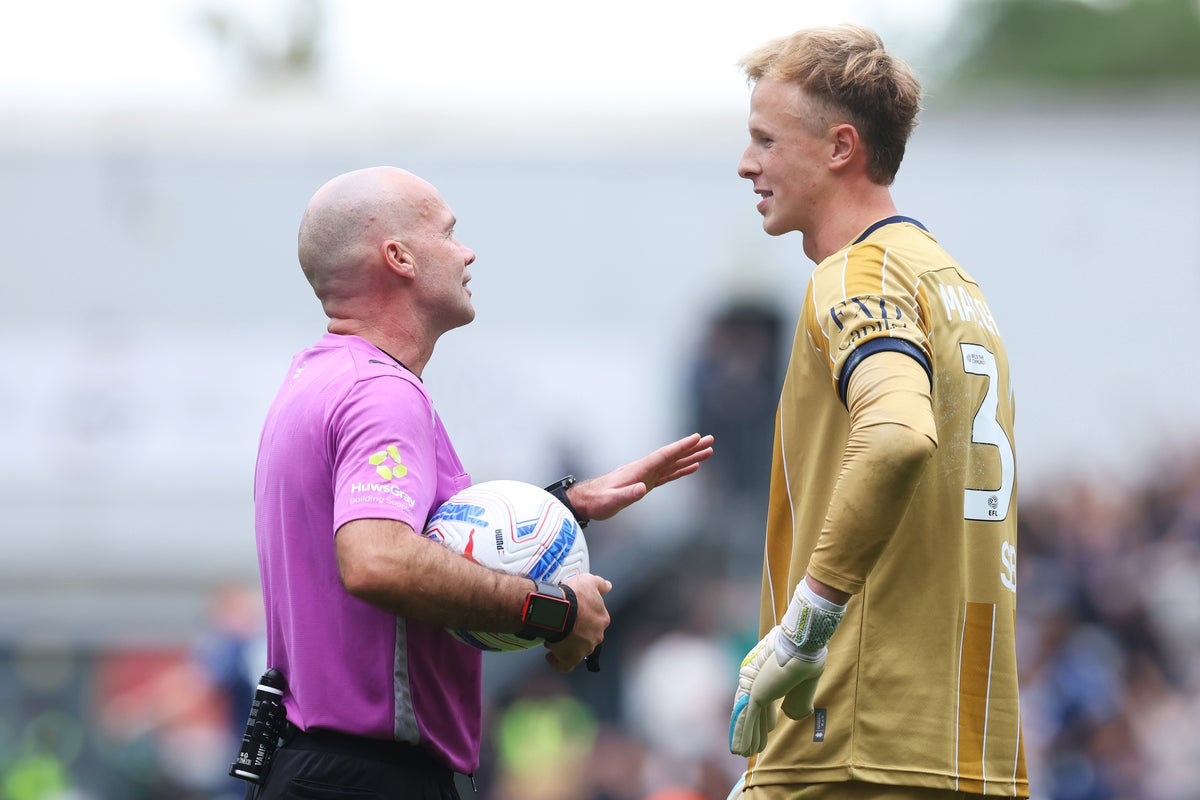
GettyWest Ham United forward Taty Castellanos found himself at the centre of a fire‑storm after a heated derby with Millwall when video showed him spitting at Millwall goalkeeper Filip Marschall. The incident, which unfolded in front of a packed crowd, has sparked immediate accusations of unsportsmanlike conduct and has already led to arrests. For supporters of both clubs, the sight of a player crossing that line in a match already charged with local pride feels like a betrayal of the very spirit that makes a derby special.
Derbies are more than just three points; they are a weekly reminder of neighbourhood bragging rights, generations of shared stories, and a chance for fans to prove who really belongs. When tempers flare, the expectation is that the battle stays on the pitch, with hard tackles and fierce chants but never personal disrespect. A forward spitting at an opponent’s keeper shatters that unspoken code, turning what should be a display of competitive fire into a moment of vulgarity that echoes far beyond the final whistle.
From the terrace, the reaction has been a mix of disbelief and anger. Loyal supporters who cheer every run and goal now have to reconcile the player’s contributions with a single, unmistakable act of contempt. The image of the club—built on community roots and a reputation for hard‑working, gritty football—takes a hit when a representative behaves in such a manner. Fans worry that the incident will be replayed on social media, painting a broader picture that may linger longer than any suspension.
The legal side moves quickly; arrests suggest that authorities see the act as more than a simple on‑field scuffle. Disciplinary panels will likely hand down a ban, and the club may be forced to issue a public apology. For Castellanos, the personal fallout could include loss of trust from teammates and a dent to his reputation, especially in a sport where character is measured as much as skill. The club’s leadership now faces the task of balancing punishment with an attempt to keep the squad united.
This episode also revives the broader conversation about player conduct in high‑stakes matches. Emotions run high in any derby, but professionals are expected to channel that energy into performance, not aggression that crosses the line into disrespect. Fans increasingly demand that clubs invest in education and support systems that help players manage pressure without resorting to actions that alienate the very people who fill the stands week after week.
Supporters are already calling for a swift and sincere apology, and there are murmurs of organized chants or banners demanding accountability at the next home game. Social media feeds are littered with opinions ranging from calls for a lifetime ban to pleas for forgiveness if the player shows contrition. The collective voice of the fanbase will likely shape how the club addresses the incident publicly, and it will be a litmus test for how much leeway supporters grant a player who has erred.
In the weeks ahead, the focus will shift from the immediate outrage to how the situation is resolved. A genuine apology and appropriate sanction could allow the rivalry to return to its traditional, fiercely competitive but respectful footing. Conversely, a perceived lack of accountability may sow lasting resentment, turning what was once a celebrated local showdown into a source of lingering bitterness. For fans, the hope is that the incident serves as a reminder that passion must be matched with professionalism, preserving the derby’s integrity for future generations.