Milan-Cortina Winter Olympics 2026: Medal Table and Standout Stories
Norway topped the table with a record 18 golds, Brazil won its first-ever Winter Olympic medal, and the first two-city Winter Games in history wrapped up in Italy. The medal table, the standout stories, and the host-city legacy question.
By Miles Ashworth · 23 Feb 2026 · 3 min read · Australia edition
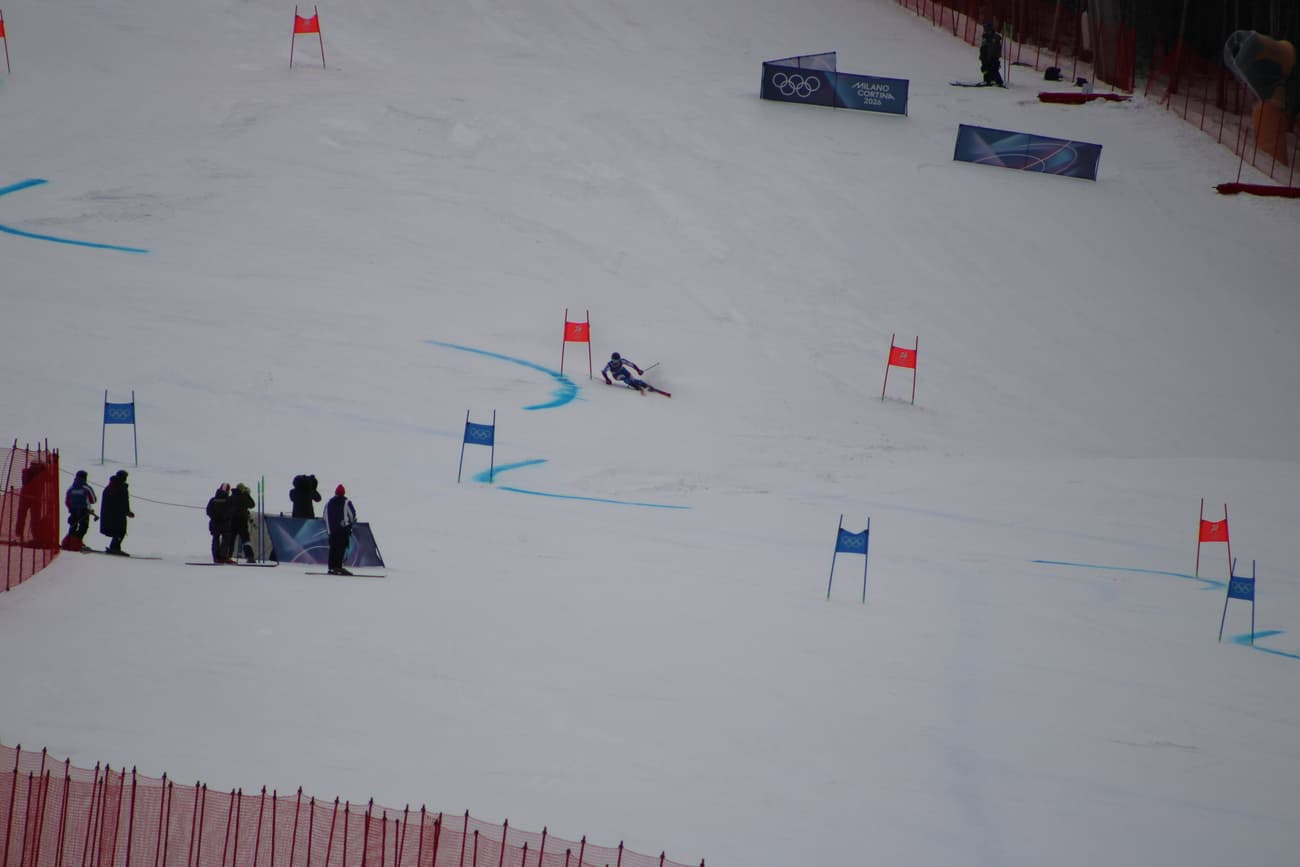 French skier Alban Elezi Cannaferina competing in the first run of the men's giant slalom on the Stelvio slope, Bormio, February 14, 2026. Photo: Dispe, via Wikimedia Commons (CC0).
The 2026 Winter Olympics ran from 6 to 22 February, the first Winter Games ever shared between two host cities. Ice events and the opening ceremony were in Milan, and snow sports were based around Cortina d'Ampezzo, with further venue clusters in Valtellina and Livigno, Val di Fiemme and Anterselva. For the first time in Olympic history, two cauldrons were lit at the same moment, one in Milan and one in Cortina.
Around 2,900 athletes from 92 nations competed across 116 medal events. Women made up 47% of the field, the highest share in Winter Olympic history. Benin, Guinea-Bissau and the United Arab Emirates made their Winter Olympic debuts, and ski mountaineering appeared on the programme for the first time with three events.
The medal table
Norway topped the medal table with 18 golds and 41 medals in total. That broke its own record of 16 golds from Beijing in 2022, and it is the most golds any nation has won at a single Winter Games. The United States finished second with 12 golds and 33 medals. The Netherlands were third with 10 golds, and host nation Italy fourth, also with 10 golds and 30 medals in total.
Germany, France and Sweden each won eight golds. Canada finished with five golds and 21 medals, Australia three golds and six medals, and Great Britain three golds and five medals.
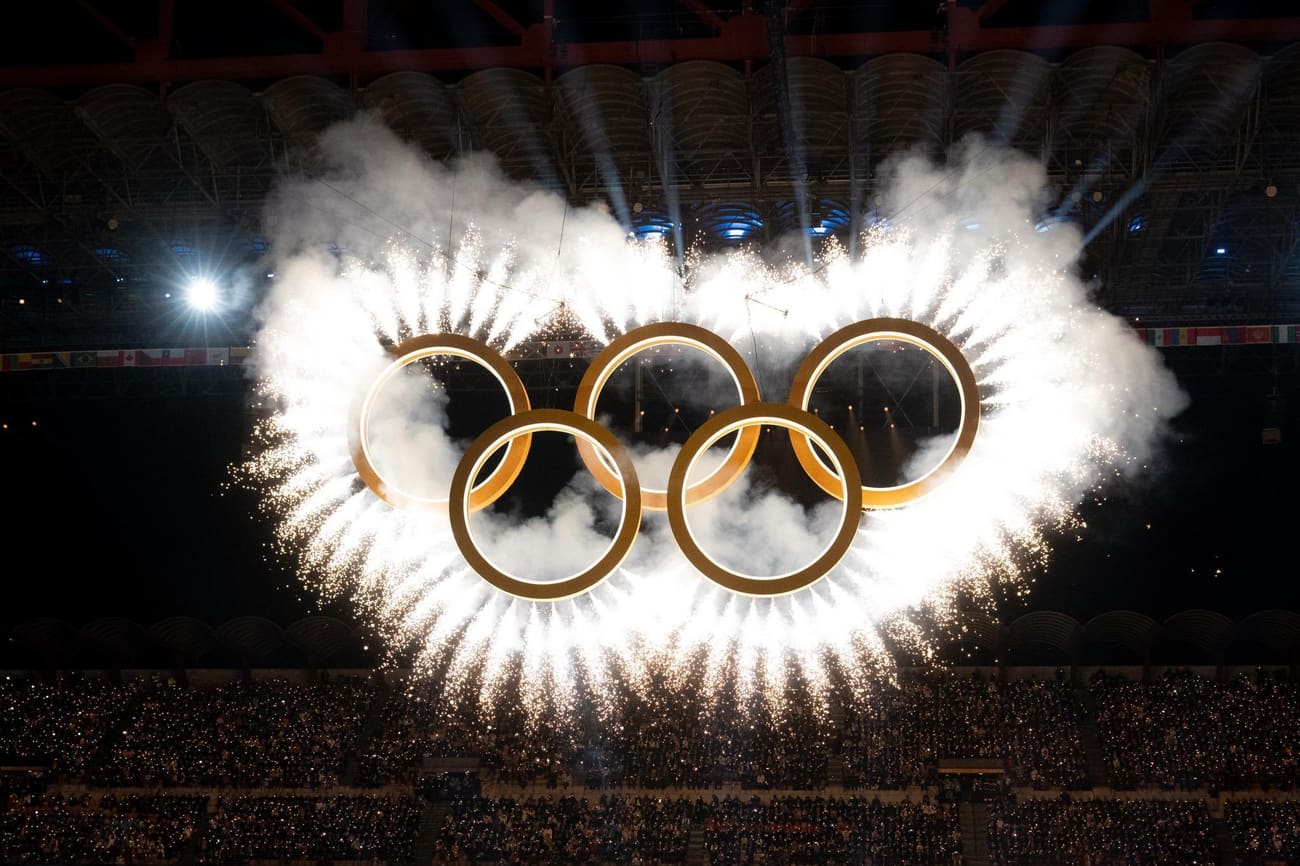 The Olympic rings lit with fireworks during the opening ceremony of the 2026 Winter Olympics, February 6, 2026. Photo: Vice President JD Vance, via Wikimedia Commons (public domain, U.S. government work).
Brazil's first Winter medal
The most historic result of the Games belonged to Brazil. On 14 February, Lucas Pinheiro Braathen won the men's giant slalom, giving Brazil its first Winter Olympic medal of any colour. It was also the first Winter Olympic medal ever won by a tropical nation and by a South American one.
Braathen's route there was unusual. He grew up skiing for Norway, the country of his father, before switching to represent Brazil, his mother's country. Winning gold for a nation with almost no winter sports tradition, in one of alpine skiing's most technical events, is the kind of result that changes how the Winter Games are talked about outside the cold-weather countries. Georgia also won its first Winter Olympic medal, in pairs figure skating.
Klæbo's six golds
The standout individual athlete was Norway's cross-country skier Johannes Høsflot Klæbo, who won six gold medals, the most by any athlete at a single Winter Olympics. It took his career total to 11 Olympic golds and did a lot to explain Norway's record-breaking medal count.
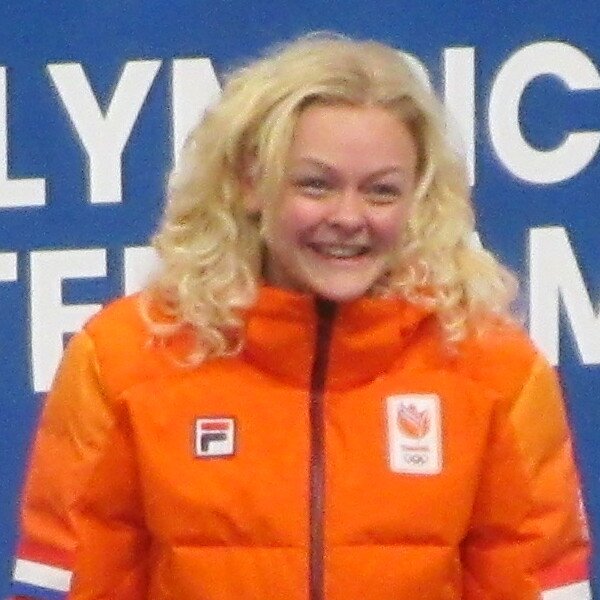
Among the other stories on the ice, Dutch short-track skater Xandra Velzeboer set the only world record of the Games in the semi-finals of the 500m and went on to win gold, then added a second gold in the 1000m.
The host-city question
Splitting the Games between Milan and Cortina was itself a notable choice. It was a departure from the single host-city model that had defined the Winter Games for decades, and it spread events across venues hundreds of kilometres apart in northern Italy.
The IOC has encouraged bids that reuse existing venues rather than build new ones, and a multi-site model makes that easier. It also makes the Games harder to experience as one event, for spectators and athletes alike. Whether Milan-Cortina becomes a template for future editions or stays a one-off shaped by Italy's particular bid is one of the real open questions coming out of these Games.
The Games closed in the Roman arena in Verona on 22 February, and the Paralympics followed at the same venues in March.