Martínez sparks Inter Milan’s late rally to salvage 2‑2 draw with Roma
Lautaro Martínez led Inter Milan to a 2‑2 stalemate against AS Roma after the team fell behind two goals early in the match.
By Naomi Osei · 19 Sept 2026 · 3 min read · Australia edition
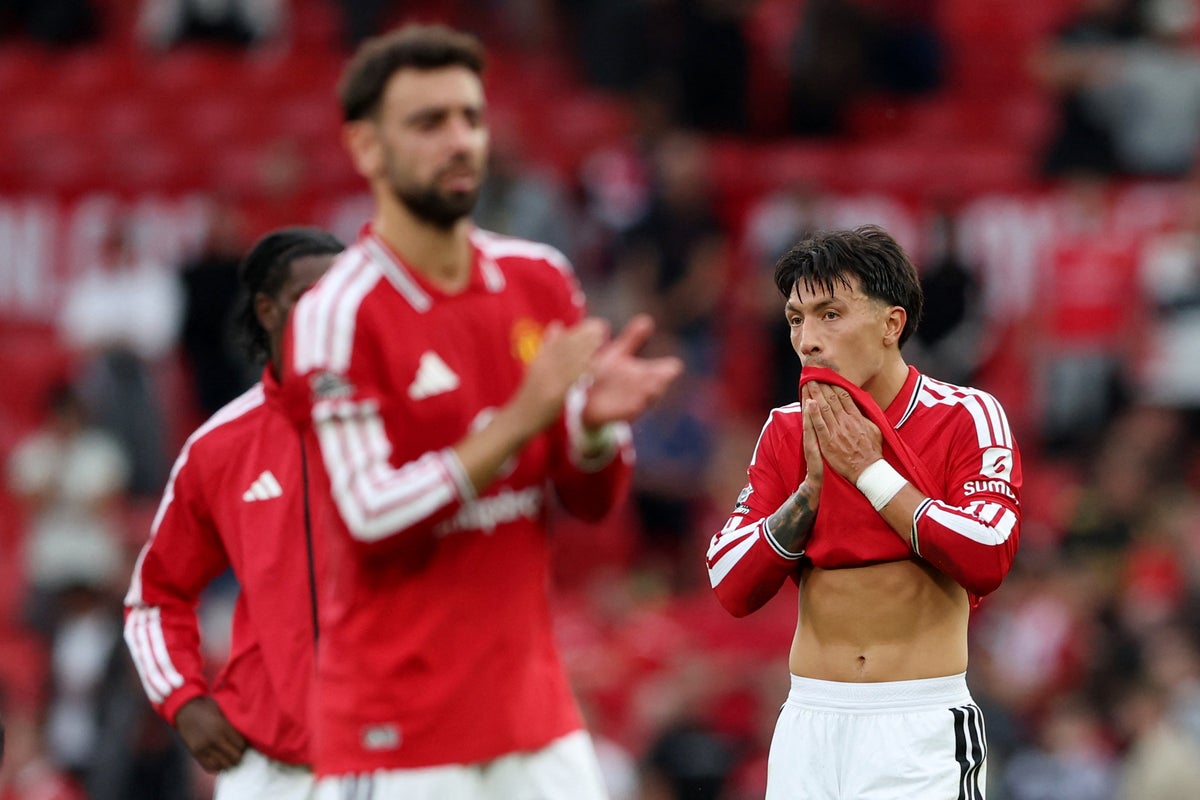
 Photograph: Giuseppe Maffia/NurPhoto/Shutterstock
Lautero Martínez was the decisive factor in Inter Milan’s 2‑2 draw with AS Roma, turning what looked like a straightforward defeat into a point‑gaining comeback. The match, part of their ongoing European campaign, began with Roma asserting dominance and netting two goals before the half hour was up. Those early strikes put Inter under immediate pressure, forcing them to chase the game while defending a two‑goal deficit.
A two‑goal early lead typically reflects a combination of effective territorial control and clinical finishing from the leading side. In this scenario, Roma’s initial success suggested they were dictating the tempo and creating high‑quality chances. For Inter, the scoreline forced a shift in mindset: from a balanced approach to a more aggressive, forward‑driven posture aimed at exploiting any defensive frailties that might emerge as Roma attempted to protect their advantage.
Martínez’s involvement changed the equation. Known for his instinctive positioning and sharp finishing, he provided the spark that Inter needed to break through Roma’s defensive lines. His first contribution came as Inter began to press higher up the pitch, increasing the intensity of their attacks. The Argentine forward’s movement created space not only for himself but also for his teammates, forcing Roma to adjust their backline and opening up further opportunities.
Inter’s tactical response after falling behind was evident in their formation and work rate. The team pushed more players forward, compressing the midfield and forcing Roma to cover larger areas defensively. This transition often leads to gaps in the opposition’s shape, particularly when a side that has built a lead becomes cautious. Inter capitalised on that shift, with Martínez’s presence prompting Roma to allocate additional resources to contain him, thereby leaving other channels less guarded.
Roma, meanwhile, appeared to become tentative after their initial surge. Holding a two‑goal cushion can sometimes lead to a subconscious retreat, especially when the opposition gains momentum. As Inter intensified their pressure, Roma’s defensive line seemed to lose cohesion, allowing Inter to create the chances that Martínez and his colleagues needed to get back into the contest. The psychological strain of seeing a lead evaporate often manifests in hurried clearances and lapses in concentration, which Inter exploited.
The point earned from the draw has practical implications for both clubs. For Inter Milan, salvaging a point after a poor start restores some confidence and keeps them competitive in the group standings, where each result can be decisive. It also underscores the impact a single player can have in altering a match’s trajectory, reinforcing Martínez’s value as a game‑changing asset. For Roma, dropping two points after a strong opening is a setback that may force a reassessment of their defensive rigidity and game management in future fixtures.
Looking ahead, Inter will aim to build on the resilience shown in this match, using the comeback as a blueprint for handling adversity. Martínez’s performance will likely cement his role as a focal point in the attacking plan, and the coaching staff may look to replicate the high‑pressing approach that yielded results. Roma, on the other hand, must address the vulnerability exposed when protecting a lead, ensuring they maintain composure and structural integrity throughout the full 90 minutes. Both teams have clear lessons to take forward, and the next round of matches will reveal how effectively they apply them.