From £304 Million to £6.7 Billion: How the Premier League Rebuilt Itself
In 1992, twenty-two clubs walked away from a 104-year-old league to chase television money. The numbers since show exactly how far that gamble paid off.
By Miles Ashworth · 26 Aug 2026 · 3 min read · Australia edition
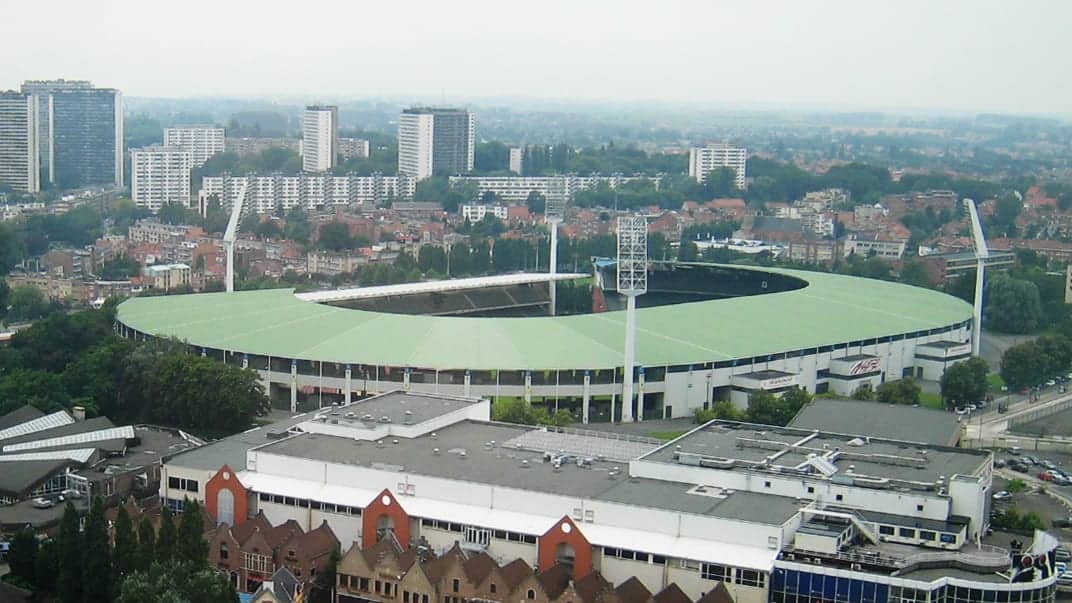
 Ank Kumar / Wikimedia Commons (CC BY-SA 4.0)
On 27 May 1992, all twenty-two clubs in English football's First Division resigned from the Football League and incorporated the new FA Premier League as a limited company on the same day. On 15 August, the first ball was kicked off -- Sheffield United's Brian Deane scored the competition's first-ever goal in a 2-1 win over Manchester United -- and 104 years of Football League top-flight history ended in a single close season.
The breakaway wasn't a sudden idea. The "Big Five" clubs -- Manchester United, Everton, Liverpool, Arsenal and Tottenham -- had first discussed splitting away as early as October 1990, in conversations with Greg Dyke, then managing director of ITV. What they were chasing was control of broadcast revenue, and it arrived almost immediately: BSkyB's founding deal with the new league was worth £304 million over five seasons, from 1992/93 to 1996/97. It was the first time top-flight English football had gone behind a paywall. The BBC kept the highlights rights, which is why Match of the Day survived the split even as live coverage moved to satellite television.
What happened to that £304 million figure afterwards is the real story. According to broadcast-industry figures compiled by SportsPro, the domestic rights value climbed through successive multi-year cycles -- £670 million for 1997-2001, £1.1 billion for 2001-04, and on through the 2000s and 2010s to £3.018 billion for 2013-16 and £5.136 billion for 2016-19. The most recent confirmed cycle, 2022-25, is worth £6.7 billion domestically plus a further £5.3 billion in international rights. The domestic figure alone has grown roughly twenty-two-fold since 1992, before international rights are even counted.
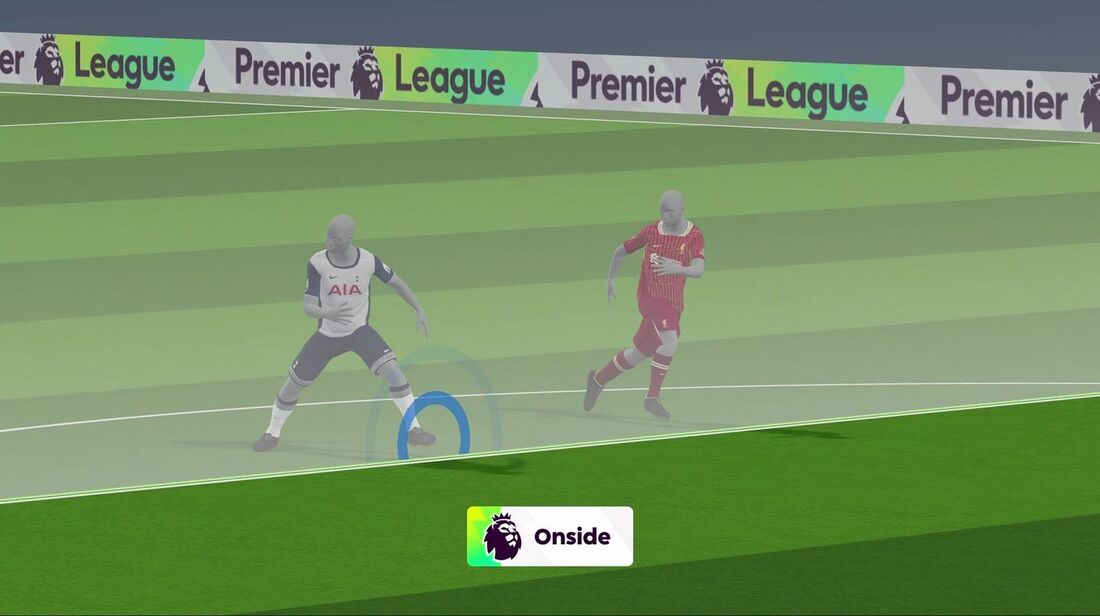
The league has also been willing to change what happens on the pitch to match the stakes riding on it. Goal-line technology was introduced for the 2013-14 season, ending decades of disputed goals being settled by a linesman's eyeline. Clubs voted unanimously in November 2018 to introduce VAR from the 2019-20 season, after trials in the FA Cup and Carabao Cup -- a bigger, messier change that reshaped how goals are celebrated to this day.
The globalisation of the league's ownership and its wage economics are widely reported to have shifted just as dramatically over the same period, though the specific figures circulating vary enough by source that they're worth treating as a separate story with its own dedicated research, rather than folding rough numbers in here.
For readers outside England, that international rights package is what actually put the league on television in the first place: NBC and Peacock hold the US rights, with further deals covering Canadian and Australian broadcasters, all part of the same £5.3 billion international package that now sits alongside the domestic fee. It's a big part of why "Premier League" remains one of the most-searched sports terms in markets that have never had a top-flight English club of their own.
What's not in dispute is the shape of the trajectory: a league that turned a single, paywalled TV deal into the most-watched domestic football competition on the planet, now broadcast into the UK, Canada, Australia and the US on contracts each worth multiples of what the entire competition was worth when it started in 1992.