Arsenal edge Slavia Prague but emerge with fresh concerns
Arsenal beat Slavia Prague in the Champions League while dealing with an injury substitution, tactical doubts and a standout performance from Viktor Gyokeres.
By Callum Reid · 5 Nov 2026 · 2 min read
 AFP/Getty
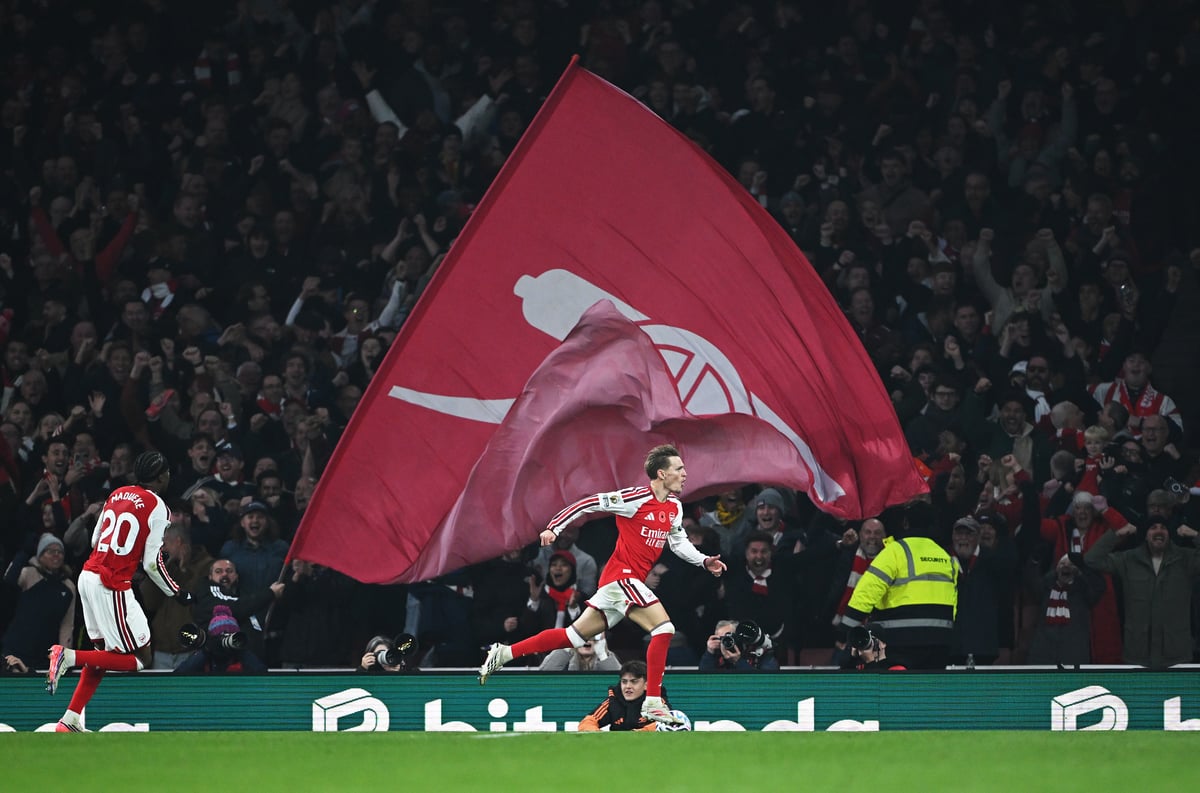
Arsenal secured a victory over Slavia Prague in their Champions League encounter, a result that keeps their campaign on track but raises a number of questions about the team's health and performance levels. The win, achieved in Prague, was enough to sustain momentum in the group stage, yet the narrative surrounding the match has shifted away from the scoreline to the underlying issues that surfaced during the 90 minutes.
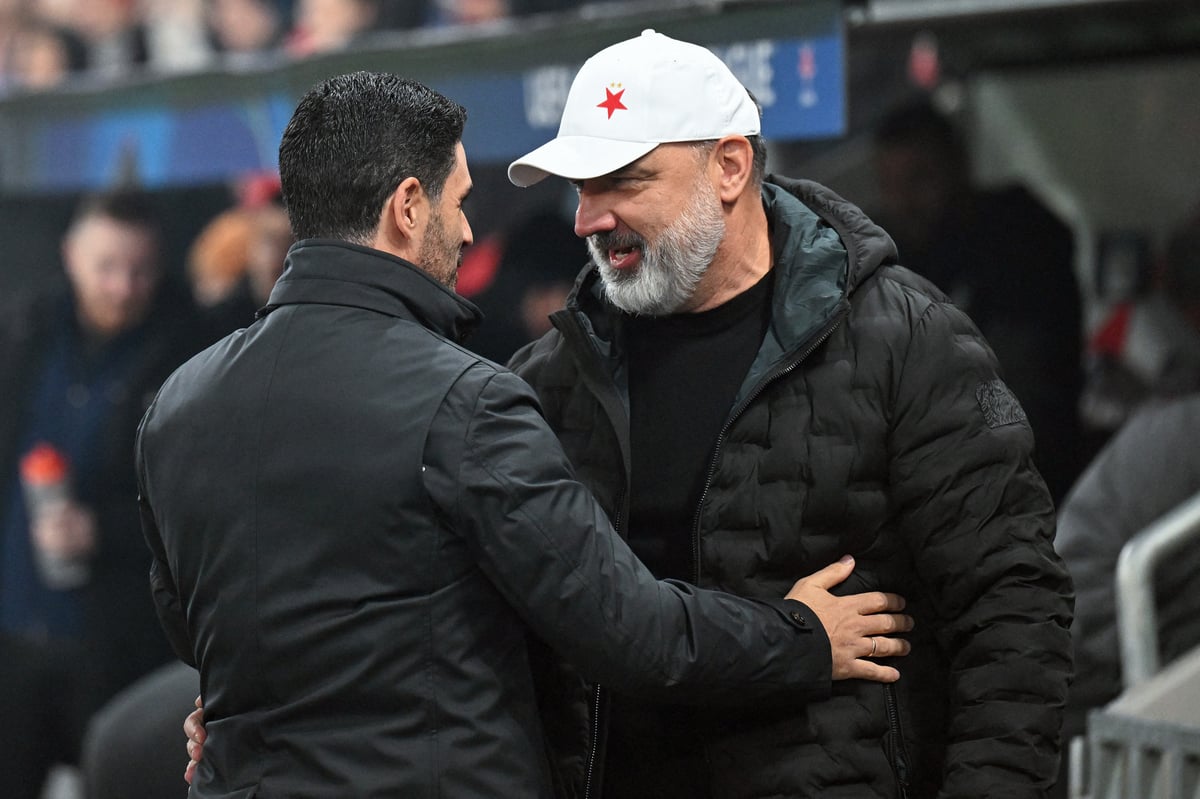
Slavia Prague’s head coach, Jindrich Trpisovsky, voiced a stark assessment of the defeat, framing it as a negative milestone for his side. His reaction underscores the significance of the loss for a club that was hoping to make a positive imprint on the European stage. A setback of this nature can reverberate through a squad’s confidence and tactical outlook, especially when the defeat is framed as a historic low point.
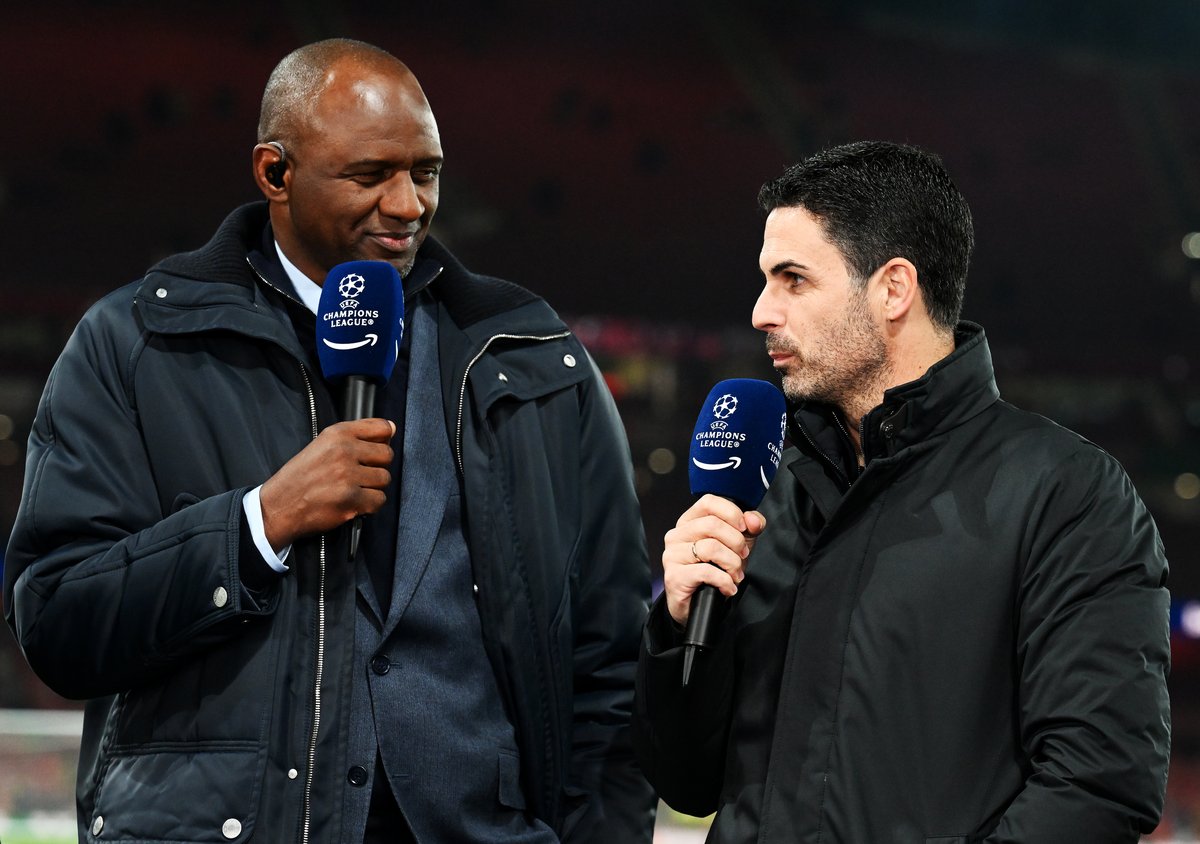
On the Arsenal side, the post‑match picture was complicated by an injury development that forced a substitution involving a figure named Mikel Arteta. While the exact nature of the injury remains unclear, the fact that a substitution was required adds a fresh worry to Arsenal’s roster management. Coupled with that, the manager – also named Mikel Arteta – expressed concerns about the overall performance, suggesting that the team did not operate at the level expected throughout the full match.
Further insight came from both the manager and goalkeeper David Raya, who identified a common factor behind Arsenal’s struggles during the game. Though the specifics were not disclosed, the acknowledgment that a single issue contributed to a second‑half dip indicates a tactical or psychological element that needs addressing. Recognising a shared problem is the first step toward remediation, but it also highlights the fragility that can surface even in winning performances.
Amid the unease, Viktor Gyokeres emerged as a bright spot, capitalising on an opportunity and delivering a performance that could force a reassessment of Arsenal’s attacking options. His effectiveness in the game demonstrates that the squad possesses depth and the capacity for individual players to step up when called upon, offering a potential avenue for tactical flexibility moving forward.
The win against Slavia Prague propels Arsenal further into the Champions League group phase, yet the surrounding concerns cannot be ignored. Managing the injury risk, rectifying the identified performance flaw, and integrating emerging talents like Gyokeres will be crucial as the club looks to maintain its trajectory. The next fixtures will test whether Arsenal can convert this hard‑earned victory into a platform for consistent, high‑level displays without the lingering doubts that currently shadow the squad.